Learning how to remove mould from walls is essential for maintaining a safe and comfortable home, especially in coastal parts of Sydney where moisture levels are higher year-round. Mould does not just affect how walls look. It can weaken surfaces, leave lingering odours, and contribute to poor indoor air quality if not handled correctly.
Homeowners should call experts when noticing black spots, musty smells, or staining that keeps returning despite cleaning. The right approach depends on the wall surface, the extent of the mould, and whether moisture issues are still present.
Key Takeaways
- Wall mould is usually caused by excess moisture and poor ventilation
- Different wall materials require different cleaning methods
- Black mould needs careful handling due to health concerns
- Painted walls can be cleaned safely with the correct technique
- Professional mould removal provides deeper and longer-lasting results
Why Mould Commonly Appears on Walls
Mould grows where moisture lingers. Condensation, leaking plumbing, rising damp, and coastal humidity all create ideal conditions for mould spores to settle and spread.
In many Sydney homes, mould forms even on outdoor walls. It is important to address the source of moisture, not just the visible growth. Without moisture control, mould often returns within weeks.
How to Remove Mould From Wall Surfaces Safely
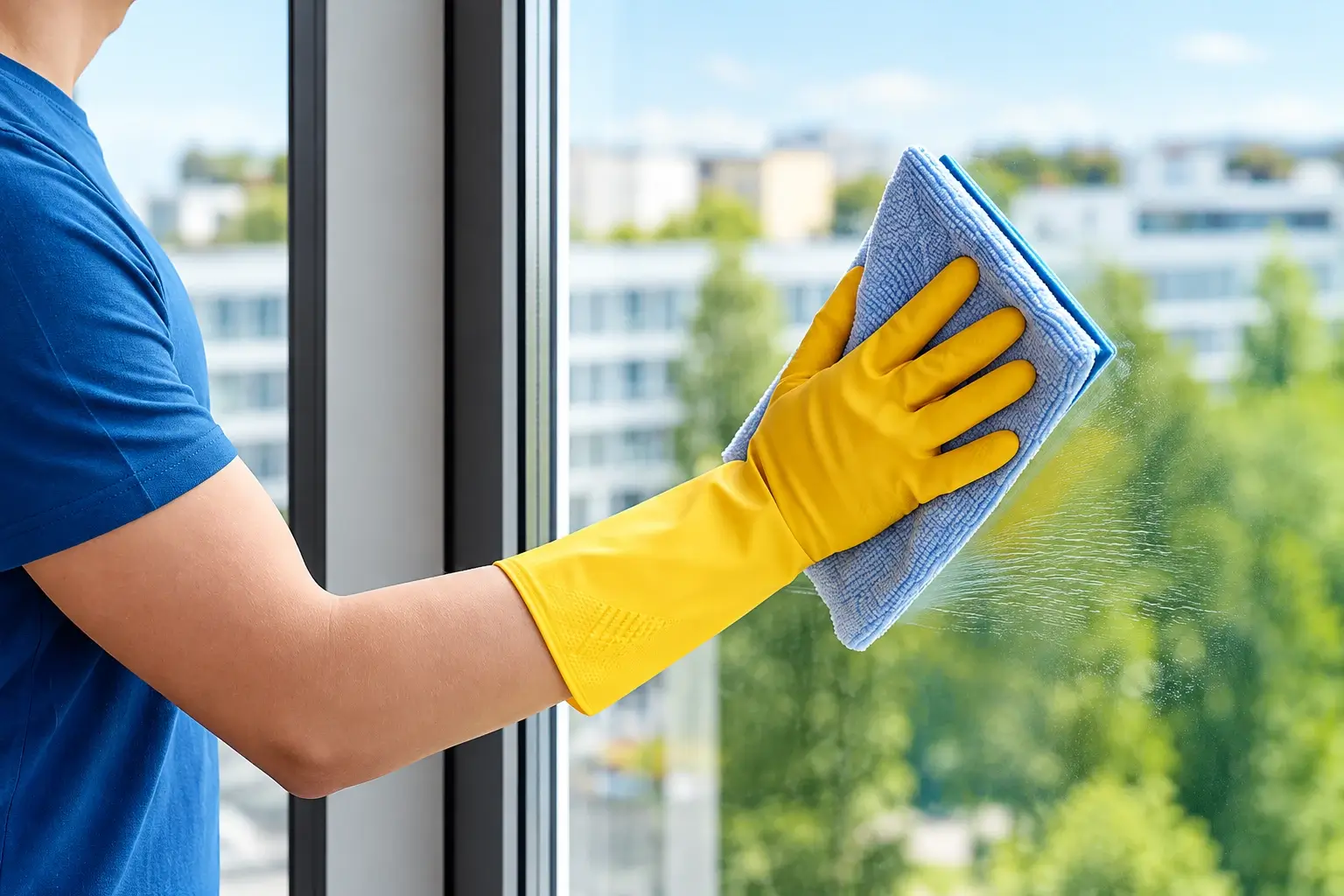
When deciding how to remove mould from wall areas, safety should always come first. Gloves, eye protection, and a mask help reduce exposure to spores.
For light surface mould, a vinegar and water solution can be effective. Spray the affected area, allow it to sit, then gently wipe with a soft cloth. This method works best on non-porous surfaces and early-stage mould. Always dry the wall thoroughly once cleaning is complete.
If mould spreads quickly or covers a large section of the wall, deeper treatment is usually required.
How to Remove Black Mould From Walls Properly
Black mould is more aggressive and requires additional care. If you are researching how to remove black mould from walls, avoid scrubbing dry surfaces or using harsh abrasives, as this can release spores into the air.
A mould-specific cleaning solution should be applied and left to dwell before wiping the area clean. In many cases, black mould penetrates beneath the surface layer, especially on plaster or masonry walls. This is where professional soft washing becomes a safer and more effective solution.
Homes that already use exterior cleaning services through residential cleaning solutions often find that mould treatment integrates well into regular property maintenance.
Best Way to Remove Mould From Walls Without Damage
The best way to remove mould from walls is to match the method to the surface type. Painted walls, rendered finishes, and bare masonry all react differently to cleaning.
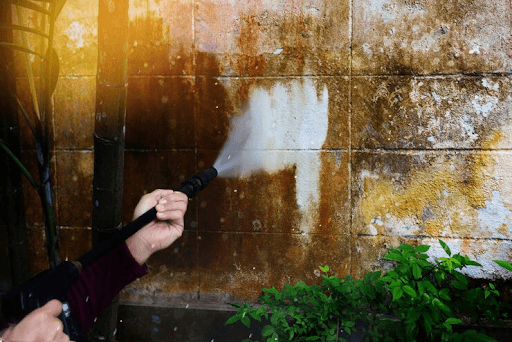
Soft washing is one of the most effective approaches for wall mould. It uses low pressure combined with specialised treatments that break down mould at its roots rather than just removing surface staining. This reduces the chance of regrowth while protecting wall finishes from damage.
Properties that experience recurring mould often benefit from scheduled exterior treatments alongside commercial pressure cleaning services where larger or shared wall areas are involved.
How to Remove Mould From Painted Walls Safely
Many homeowners worry about damaging paint while learning how to remove mould from painted walls. The key is to use gentle techniques and avoid over-saturation.
A mild mould solution applied with a soft sponge or cloth usually works for surface mould. Wipe gently and avoid aggressive scrubbing. Once dry, monitor the area closely. If staining remains or mould returns, repainting may be required after proper treatment using mould-resistant paint.
Painted walls that continue to show mould often indicate moisture trapped behind the surface rather than a surface-level issue.
When Professional Mould Removal Is the Better Option
DIY methods are suitable for small patches, but repeated attempts to remove wall mould without lasting results usually mean professional treatment is needed. Widespread mould, strong odours, or mould appearing in multiple rooms are signs that spores may be embedded deeper within wall materials.
Professional mould removal uses commercial-grade equipment and targeted treatments that clean beyond the visible surface. Many homeowners discover the value of expert intervention after reviewing practical insights, such as signs mould needs professional treatment and ongoing maintenance advice found in coastal property cleaning tips.
Preventing Mould From Returning to Walls
Knowing how to remove mould from walls is only half the solution. Preventing regrowth is equally important. Improving ventilation, repairing leaks, managing indoor humidity, and allowing natural airflow all reduce the likelihood of mould returning.
Regular cleaning schedules and exterior maintenance also play a role, especially in coastal environments. Addressing moisture early helps protect wall surfaces and reduces long-term repair costs.
Conclusion
Understanding how to remove mould from walls helps protect your home, your health, and your investment. While small mould patches can sometimes be handled with careful cleaning, persistent or widespread mould often requires professional care for lasting results. Elite Property Northern Beaches delivers reliable mould treatment and exterior cleaning solutions tailored to Sydney conditions. For expert advice or to book a professional service, call 0416007745 today.