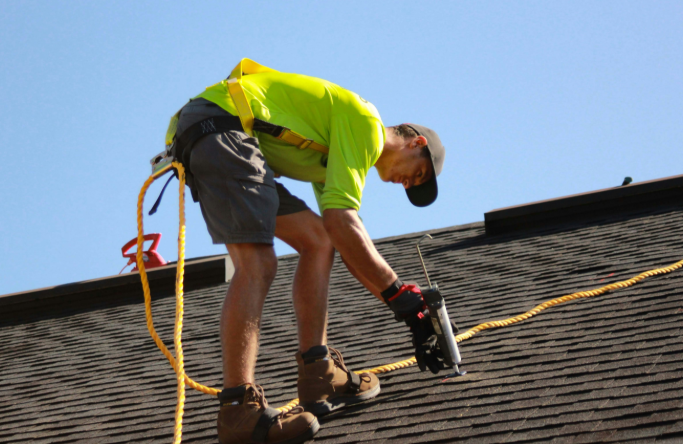
If you are considering having your roof cleaned, it helps to understand what can influence the work involved before requesting a quote. Roof material, condition, pitch, access, and the level of moss, algae, or lichen can all affect the cleaning method and the overall scope of the job.
For homes in the Northern Beaches, shade, surrounding trees and salt exposure can also contribute to faster build-up on roof surfaces. Where organic growth is widespread, targeted roof moss treatment may be recommended as part of a more suitable lower-pressure cleaning approach.
Key Takeaways
- A small, straightforward roof clean may start around $300 to $550 based on published Australian guides.
- Concrete tile or steel roofs on average low-set homes may cost around $600 to $800.
- Terracotta generally requires additional care and may cost around $700 to $900.
- Steep roofs, difficult access, solar panels and heavy moss can increase the quote.
- The right cleaning method is more important than choosing the lowest price.
How Much Does It Cost to Have Your Roof Cleaned in Northern Beaches?
The cost to have your roof cleaned varies because every property has a different roof size, condition, material, pitch, and level of access. A 2025 Canstar home-maintenance guide, by Deputy Finance Advisor Alasdair Duncan, shares how a general roof cleaning in Australia would cost around $250 to $500, depending on the condition of the roof surface. As for Northern Beaches’ roof cleaning prices this year, the price range may vary slightly, especially given factors like weather conditions and local humidity.
A complete roof clean may involve more work when the roof is steep, elevated, difficult to access, heavily affected by moss or lichen, or surrounded by solar panels and other fixtures. Coastal exposure, shaded sections, nearby trees, salt residue, and the type of roofing material can also influence the cleaning method and amount of preparation required. Duncan similarly identifies roof height, pitch, accessibility and solar panels among the factors that can affect roofing work.
The scope may also increase when cleaning requires additional attention such as:
- Moss, mould, algae or lichen treatment
- Low-pressure or surface-specific roof washing
- Roof valley and gutter-edge cleaning
- Salt residue and stubborn stain removal
- Cleaning around solar panels and roof fixtures
- Extra preparation for steep or difficult-to-reach areas
For example, different roof materials can require different approaches. Colorbond roof cleaning may involve controlled low-pressure washing and treatment of organic growth, while terracotta tiles may need methods selected around tile condition, age and moss or lichen coverage.
For a clearer idea of what your property may require, review the available roof-cleaning options and arrange an assessment based on the roof’s condition, access and level of buildup. A site-specific quote can then reflect the actual work required rather than relying on a general market estimate.
What Affects the Cost to Get Roof Cleaned?
If you are comparing quotes and wondering how much it costs to get your roof cleaned, focus on more than the roof’s size. Material, pitch, access, contamination and the cleaning method can all change the amount of labour and preparation required.
Roof Size and Layout
Larger roofs generally require more labour, solution and rinsing time. Complex rooflines with several valleys, hips, levels or difficult sections can also take longer than a simple single-storey roof of similar overall area.
Roof Material
Concrete tiles, terracotta tiles and coated metal surfaces should not automatically be cleaned using the same method. Specialised terracotta roof tile cleaning and Colorbond roof cleaning should account for surface condition, coatings, contamination and the amount of pressure the material can safely tolerate.
Pitch, Height and Access
A high-set property, steep roof or restricted access point may require additional safety planning or specialised access equipment. These requirements increase setup time and can affect the final price even when the roof itself is not especially large.
Moss, Algae and Lichen
If someone asks how much it costs to have a roof cleaned when thick organic growth is present, the answer is usually higher than for light surface dirt. Treatment may need to break down moss, algae or lichen before controlled washing or rinsing begins.
Organic contamination can affect other exterior areas as well, especially where damp conditions remain for long periods. The risks associated with cleaning exterior mould are worth considering when widespread growth is present.
Does the Roof Cleaning Method Affect Price?
The cleaning method used can influence the overall cost of roof cleaning. Different roof materials, conditions and levels of build-up may require different preparation, equipment, treatments and labour. Choosing a method that suits the roof surface can also help avoid unnecessary pressure or damage.
Soft Washing
Soft washing uses lower water pressure together with an appropriate cleaning treatment to remove moss, algae and other organic build-up. It may be suitable for roof surfaces that require a gentler approach or where excessive pressure could affect coatings or roofing materials.
Controlled Pressure Cleaning
Controlled pressure cleaning may be suitable for sound roof surfaces that can safely withstand higher water pressure. The pressure level and equipment should be adjusted according to the roof material, condition and type of build-up.
Surface type, area and cleaning requirements can also influence high-pressure cleaning costs, particularly where additional preparation, equipment or access is required.
What Should a Roof Cleaning Quote Include?
A clear roof cleaning quote should outline the work involved, not just the final price. When comparing the cost to get a roof cleaned, check what is included so you can compare quotes based on a similar scope of work.
A detailed quote should cover:
- Roof material and condition – the type of roofing and any visible wear or damage that may affect the cleaning method.
- Moss, mould, algae or lichen treatment – any treatment required before or during cleaning.
- Cleaning method – whether soft washing, controlled pressure cleaning or another suitable method will be used.
- Height and access requirements – any additional equipment or safety measures needed to reach the roof.
- Protection of surrounding areas – measures used to protect gardens, walls, windows and nearby fixtures.
- Gutters, valleys and drainage – how loosened debris and runoff will be managed during cleaning.
- Final rinsing and clean-up – removal of remaining debris and cleaning of affected areas once the work is complete.
Checking these details can help you understand what each quote covers and whether additional charges may apply.
How Does a Professional Roof Cleaning Service Work?
A professional roof cleaning service should follow a planned process based on the roof material, condition, level of build-up and access requirements. Assessment and preparation come first so the cleaner can choose a suitable treatment and cleaning method for the surface.
1. Inspect the Roof
The cleaner assesses the roof material, condition, pitch, drainage, visible build-up and safe access requirements.
2. Prepare the Property
Gardens, walls, gutters, solar panels, outdoor furniture and other nearby areas are protected or considered before cleaning begins.
3. Treat Organic Growth
An appropriate treatment may be applied where moss, algae, mould or lichen needs to be loosened or broken down before cleaning.
4. Use the Appropriate Cleaning Method
Soft washing, low-pressure cleaning or controlled pressure cleaning is selected according to the roof material, condition and type of build-up.
5. Check Detailed Areas
Roof valleys, edges, shaded sections and other areas where build-up commonly remains are checked after cleaning.
6. Complete the Final Clean-Up
Nearby areas are rinsed or tidied as required, and the work area is checked before the job is completed.
How Often Should You Get Your Roof Cleaned?
There is no single cleaning schedule that suits every roof. You need to assess your roof every two to three years, but this will also depend on the property, surrounding environment, and how quickly build-up develops.
Roofs covered by tree branches, or in shaded and damp areas, may develop moss, algae or lichen sooner. Coastal exposure can also contribute to residue on roof surfaces. Cleaning should therefore be based on the roof’s actual condition rather than the calendar alone.
Keeping other exterior surfaces maintained can also help prevent heavy build-up across the property. Similar factors such as surface condition, access and level of contamination can influence exterior house cleaning costs.
How Can You Keep Roof Cleaning Costs Under Control?
Regular inspections and timely maintenance can help prevent moss, algae, lichen and other build-up from becoming more difficult to remove. It also helps to request a clear scope of work before booking so you understand what is included in the quote.
When comparing roof cleaning quotes:
- provide clear photos of the roof and property
- mention solar panels, steep sections or difficult access
- point out visible moss, algae or lichen
- ask which cleaning method will be used
- confirm what preparation and protection are included
- check whether final clean-up is included
- compare the scope of work, not just the final price
Preventive maintenance cannot remove every future cleaning expense, but addressing build-up before it becomes severe may reduce the amount of treatment, labour and cleaning required.
Get a Clear Roof Cleaning Quote for Your Property
If you want a practical answer to how much it costs to get your roof cleaned, the most accurate next step is an assessment based on your actual roof. Elite Property Northern Beaches provides surface-specific exterior cleaning with clear quotes and methods selected according to the property and roof condition.
For property-specific pricing, request a free quote; call 0416 007 745 or email admin@elitepropertynorthernbeaches.com.au to request a free quote. We can assess the surface, organic growth, access and surrounding areas before recommending a suitable approach.