
Mould is a common problem for homeowners, especially in humid areas. It can affect a home’s exterior surfaces, leading to aesthetic issues and potential health risks. Knowing how to prevent mould is crucial for maintaining a safe and attractive property.
In this blog, we will explore effective methods to stop mould from forming, including regular cleaning, proper drainage, improving airflow, and using mould-resistant products. By implementing these strategies, you can protect your home and create a healthier living environment.
Key Takeaways
- Regular cleaning is essential to remove potential mould sources.
- Ensure proper drainage around your property to reduce moisture buildup.
- Enhance ventilation to improve airflow and reduce humidity.
- Consider using mould-resistant products during home maintenance.
- Monitor and control humidity levels both indoors and outdoors.
Understanding Mould and Its Dangers
Mould thrives in warm, damp environments, making exterior surfaces particularly susceptible. The presence of mould not only undermines the aesthetic appeal of your property but can also pose health risks, particularly for those with respiratory issues. Additionally, mould can compromise the integrity of building materials, leading to costly repairs over time.
To effectively prevent mould growth, it is essential to implement strategies that not only address current issues but also create conditions that discourage future infestations. Below are five key methods to help manage and prevent mould in your home:
1. Regular Cleaning
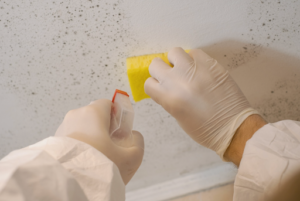
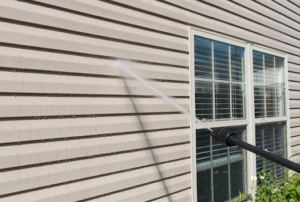
One of the easiest ways to prevent mould is to keep your home’s exterior surfaces clean. Regularly cleaning surfaces like walls, patios, and driveways removes dirt, algae, and organic matter that can encourage mould growth. Use a pressure washer for hard surfaces to thoroughly clean away any existing mould and debris. A regular cleaning schedule can go a long way in keeping mould at bay.
2. Proper Drainage
Water accumulation around your property can create a breeding ground for mould. Ensure that your gutters and downspouts are clean and functioning properly to divert water away from your home. Additionally, grading the ground around your house to allow water to flow away can significantly reduce moisture levels, helping to prevent mould from taking hold.
3. Improve Airflow
Enhancing ventilation in areas prone to dampness can significantly help in preventing mould growth. This includes attics, basements, and spaces around outdoor furniture or decking. Installing vents and fans can assist in circulating air, reducing humidity, and preventing moisture from settling on surfaces.
4. Use Mould-Resistant Products
When maintaining or renovating your home, consider using mould-resistant materials for your exterior surfaces. Products like treated wood, mould-resistant paints, and specially formulated sealants can provide extra protection against moisture and mould.
5. Monitor Humidity Levels
Keeping an eye on indoor and outdoor humidity can help you better understand when mould is likely to become a problem. Ideally, humidity levels should stay below 60 per cent to prevent mould growth. If humidity is consistently high, consider using dehumidifiers or air conditioning to keep conditions dry.
Protecting Your Home for the Future
Preventing mould is essential for maintaining your home and safeguarding your health. Following the strategies mentioned can significantly reduce the chances of mould developing on your home’s exterior surfaces. Remember that proactive maintenance is key; do not wait for mould to appear before taking action.
If you’re seeking expert support in how to prevent mould and ensure a clean home, Elite Property Northern Beaches offers expert residential and commercial pressure cleaning services. Call 0416 007 745 today to ensure your property stays in top condition.