Mould on painted exterior walls should be removed quickly to prevent staining, paint damage, and moisture problems. The safest method on how to remove mould from exterior painted walls combines the right cleaning solution, controlled washing techniques, and proper preparation to avoid peeling paint or spreading mould spores.
Exterior mould is common due to humidity, rainfall, coastal moisture, and shaded areas around homes. Professional mould and moss removal services and exterior soft washing services help remove mould safely without damaging painted surfaces.
Key Takeaways
- Soft washing is one of the safest methods for exterior wall mould removal
- Strong pressure washing can damage paint and force water behind surfaces
- Cleaning mould early helps prevent paint deterioration and recurring moisture issues
- Routine exterior cleaning helps reduce mould regrowth on painted walls
Why Mould Forms on Exterior Painted Walls
Mould develops when moisture remains on painted surfaces for long periods. Exterior walls surrounded by trees, fences, gutters, and gardens often stay damp longer because sunlight and airflow are reduced.
Dirt, salt exposure, and organic debris can also feed mould spores and allow them to spread faster across painted walls. According to the Australian Institute of Health and Welfare, damp and mould-affected properties may contribute to respiratory irritation if moisture problems are ignored.
Common Causes of Exterior Wall Mould
Several factors increase the risk of mould growth on painted walls:
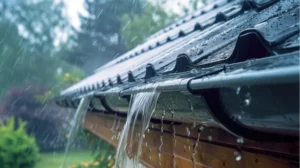
- Blocked gutters causing water overflow
- Trees and shrubs trapping moisture against walls
- Cracked or ageing paint coatings
- Poor drainage around the property
- Coastal humidity and rainfall exposure
- Lack of routine exterior cleaning
Many homeowners assume mould is only cosmetic, but it often signals trapped moisture that can shorten the lifespan of painted surfaces.
How to Remove Mould from Exterior Painted Walls
The safest method for removing mould from exterior walls combines mould treatment solutions, low-pressure cleaning, and controlled rinsing methods. Aggressive scrubbing or excessive pressure can strip paint and damage exterior surfaces.
Step 1: Inspect the Surface
Inspect the painted wall for peeling paint, cracks, water damage, or loose render before cleaning begins.
Pay close attention to:
- Window frames
- Gutters and downpipes
- Exterior corners
- Areas hidden by plants
Recurring mould may indicate an underlying drainage or moisture problem.
Step 2: Prepare the Area
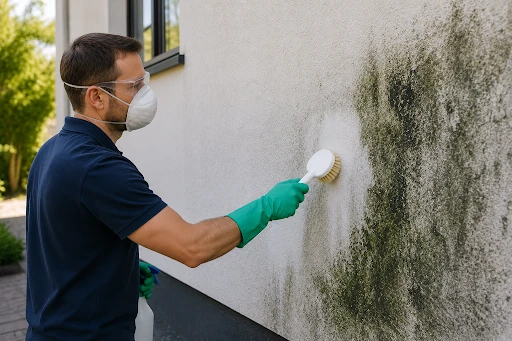
Move outdoor furniture away from the wall and cover nearby plants before applying cleaning solutions. Wear gloves, eye protection, and a mask to reduce contact with mould spores and chemicals.
Avoid cleaning during windy conditions because spores can spread onto nearby surfaces.
Step 3: Apply a Suitable Cleaning Solution
A suitable mould treatment should break down mould spores without weakening painted surfaces.
| Cleaning Solution | Best Use | Surface Safety |
| White vinegar solution | Light mould growth | Safe for most paints |
| Oxygen-based cleaner | Moderate mould staining | Lower paint risk |
| Professional soft wash treatment | Heavy mould growth | Highly effective |
| Bleach solution | Severe staining only | Can fade paint |
Allow the treatment to sit for several minutes before rinsing.
Step 4: Rinse the Wall Gently
Use low-pressure water to rinse the wall from top to bottom. This helps prevent streaking and reduces the risk of forcing water behind painted surfaces.
Avoid extremely high-pressure settings because they may strip paint and damage render or weatherboards.
Step 5: Let the Surface Dry
Painted walls should dry completely before repainting or applying additional coatings. Trapped moisture may lead to recurring mould growth.
How to Clean Mould Off Exterior Walls Without Damaging Paint
Many homeowners searching for how to clean mould off exterior walls assume pressure washing is always the best option. However, painted surfaces usually require softer cleaning methods to avoid damage.
Soft washing combines specialised detergents with lower water pressure to remove mould safely. Elite Property Northern Beaches uses surface-appropriate cleaning methods designed to protect painted finishes while removing mould effectively.
Many homeowners damage painted walls by using excessive pressure too close to the surface, which can force water behind the paint coating.
Benefits of Soft Washing
Soft washing provides:
• Lower risk of peeling paint
• More even cleaning results
• Better treatment of porous surfaces
• Reduced mould regrowth
Soft washing also targets mould spores beneath the surface rather than only removing visible staining.
Risks of High-Pressure Cleaning
Incorrect pressure washing can cause:
• Paint stripping
• Water penetration behind walls
• Damage to render and timber
• Surface streaking
• Faster mould regrowth
Pressure levels should always match the wall material and paint condition.
What Cleaning Products Should You Avoid on Painted Exterior Walls?
Some cleaning products can damage painted surfaces even if they remove mould successfully.
Avoid:
• Undiluted bleach solutions
• Abrasive scrubbing powders
• Acidic brick cleaners
• Metal wire brushes
• Strong solvent-based chemicals
• High-pressure turbo nozzles
These products may scratch paint coatings and weaken exterior finishes.
DIY Cleaning vs Professional Exterior Wall Mould Removal
Small mould patches can often be treated safely using DIY methods. However, larger mould-affected areas usually require professional equipment and specialised cleaning solutions.
| DIY Cleaning | Professional Cleaning |
| Suitable for small mould patches | Suitable for widespread mould |
| Limited equipment | Commercial soft washing systems |
| Higher risk of paint damage | Surface-specific cleaning methods |
| Temporary results possible | Longer-lasting mould treatment |
Professional cleaning is often recommended for multi-level homes, delicate painted surfaces, and recurring mould growth.
Homeowners comparing maintenance options may also benefit from learning more about house washing services and routine pressure washing services.
How to Prevent Mould Returning to Exterior Walls
Learning how to clean mould off exterior walls is important, but prevention is equally so. Cleaning mould without addressing moisture problems often leads to recurring growth.
Improve Sunlight and Airflow
Trim trees and shrubs around the property to help painted walls dry faster after rainfall and humidity exposure.
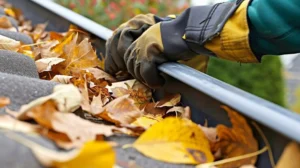
Clean Gutters Regularly
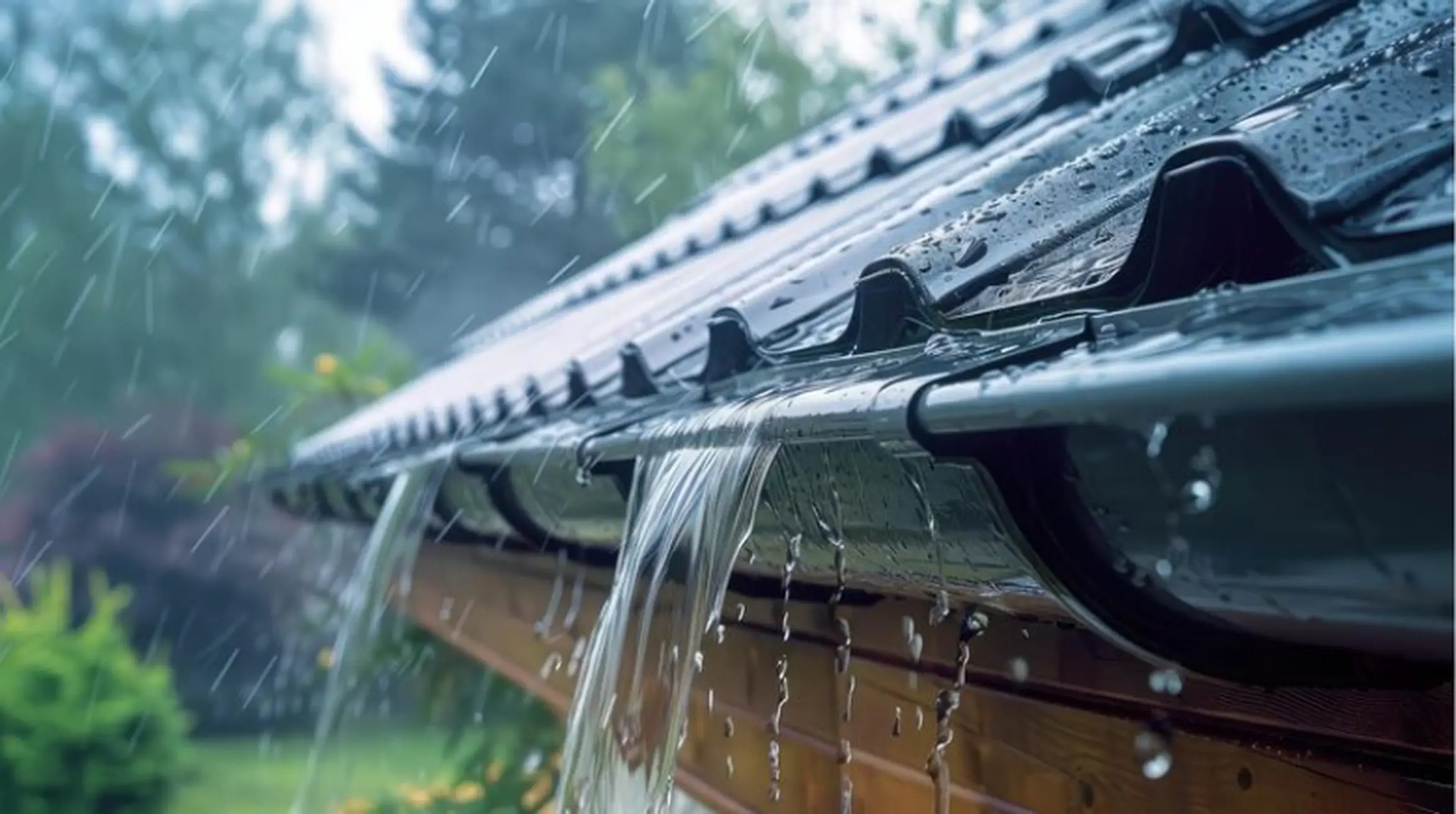
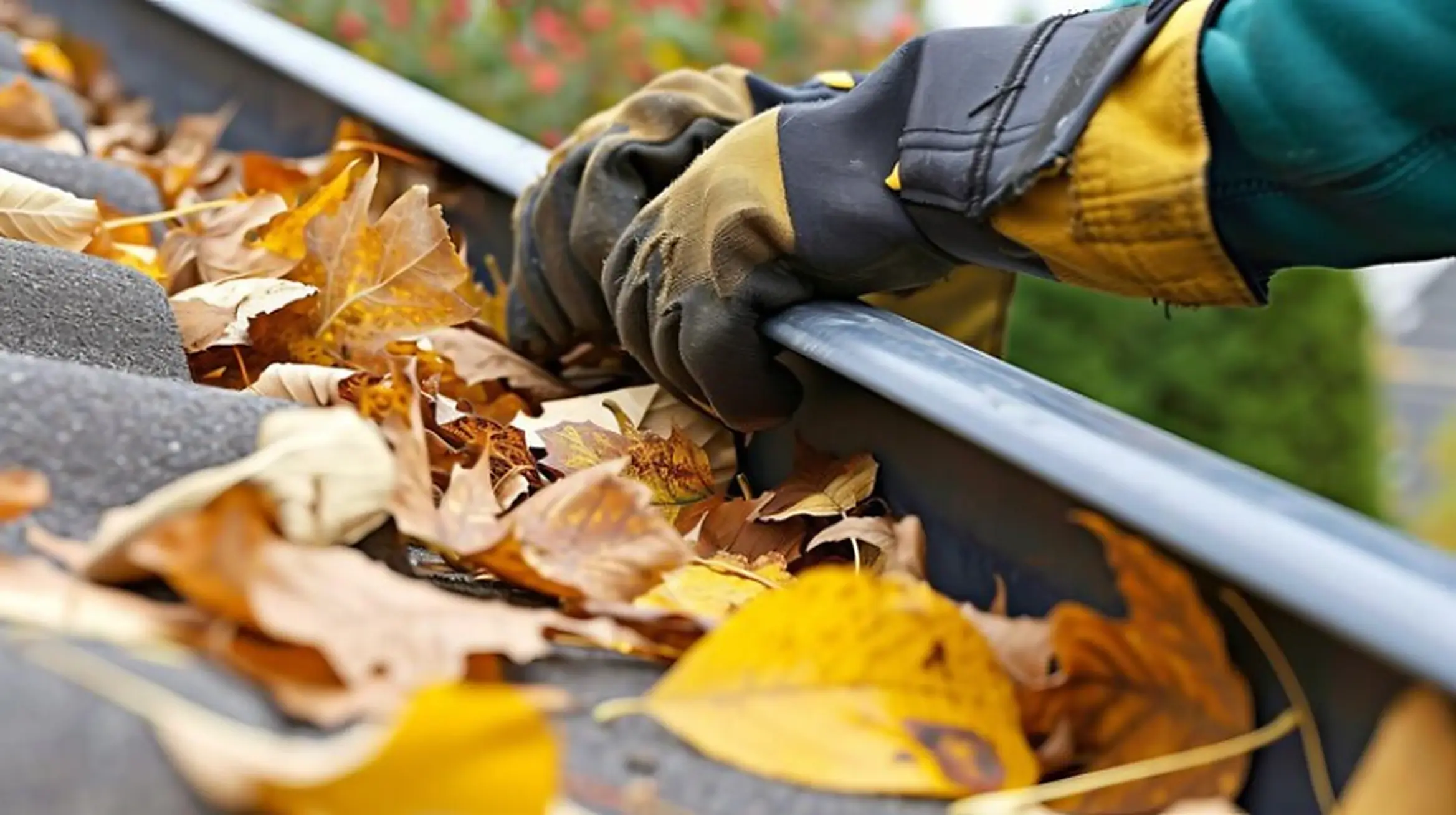
Overflowing gutters often create constant moisture around painted surfaces.
Schedule Routine Exterior Cleaning
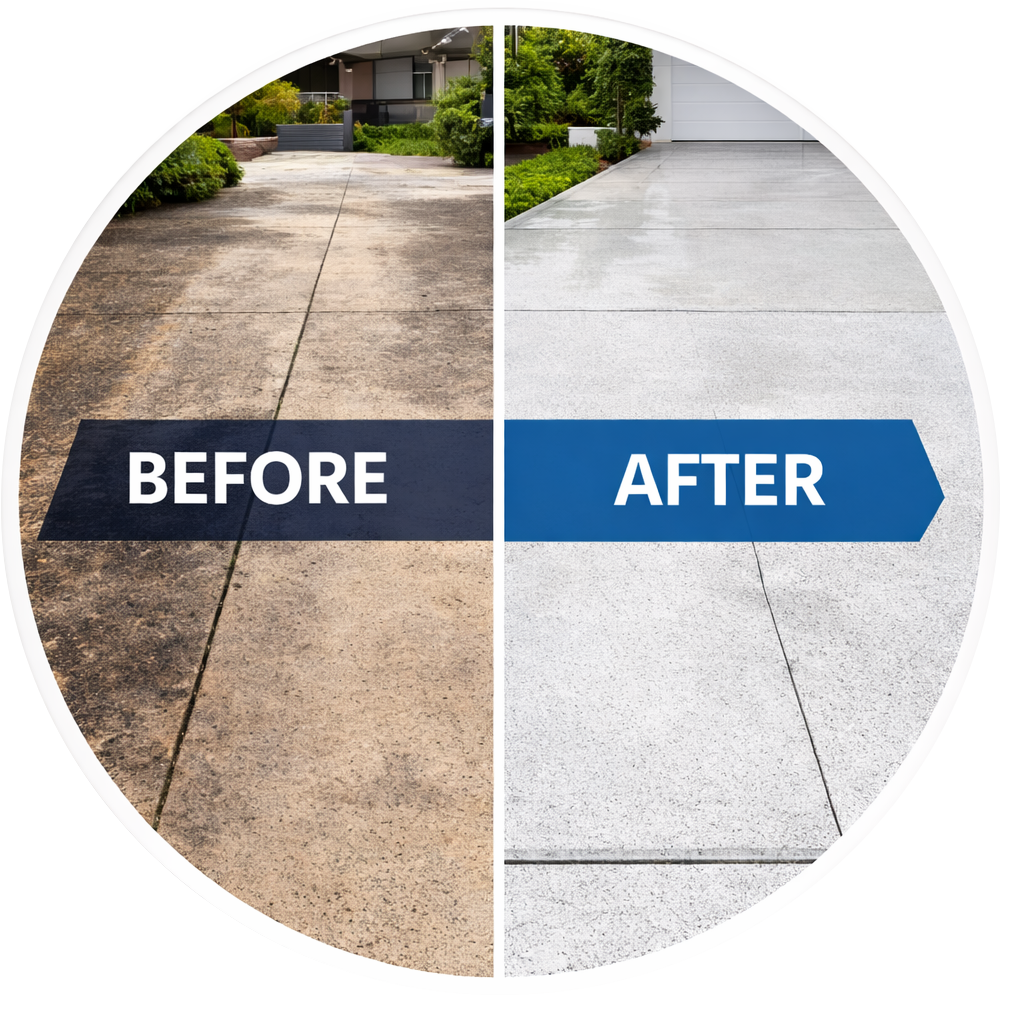
Routine cleaning removes dirt and spores before mould spreads. Regular exterior cleaning also helps reduce organic buildup on painted walls.
Repair Damaged Paint Quickly
Cracked or peeling paint allows moisture to penetrate deeper into exterior surfaces.
Improve Drainage Around the Property
Proper drainage helps prevent water pooling near foundations and painted walls.
Routine maintenance helps reduce the risk of repainting and recurring mould problems.
Protect Your Exterior Walls From Long-Term Mould Damage
Understanding how to remove mould from exterior painted walls properly helps protect painted surfaces, improve property appearance, and reduce long-term moisture damage. Using the right cleaning methods early can also help prevent costly repainting and recurring mould problems later.
For safe and effective exterior wall mould removal, Elite Property Northern Beaches provides professional soft washing and exterior cleaning services tailored to different surface types. Reach out through the Contact Us page, call 0416 007 745, or email admin@elitepropertynorthernbeaches.com.au to restore your exterior walls and keep your property cleaner and better protected year-round.