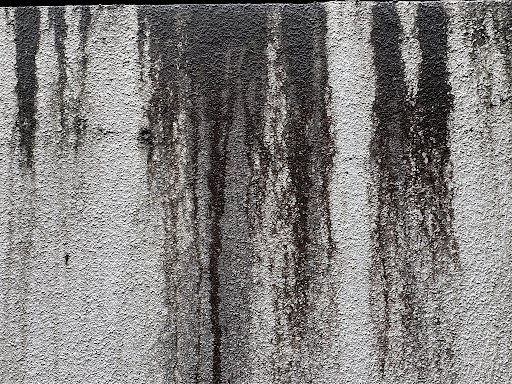
Black spots on concrete are usually lichen, mould, algae or biofilm growing in damp surface pores, although oil, tyre rubber and leaf tannins can look similar. Safe removal combines correct stain identification, suitable treatment and controlled concrete pressure cleaning instead of maximum pressure.
Cleaning matters because organic growth can spread, retain moisture and reduce grip on driveways, paths, patios and pool surrounds. Lasting improvement also depends on drainage, debris control and allowing the surface to dry.
Key Takeaways
- Firm round dots often indicate lichen.
- Flat dark films may be mould, algae or biofilm.
- Oil, tyre rubber and tannins need different cleaners.
- Excessive pressure can stripe or etch concrete.
- Runoff must stay out of stormwater drains.
What Causes Black Spots On Concrete?
Dark spots usually develop where moisture, shade and organic debris support surface growth. They are common near garden beds, retaining walls, trees, leaking taps, downpipes and low areas that dry slowly.
Lichen
Lichen commonly forms hard black, grey or green colonies with defined edges. It bonds closely to concrete, so light washing may remove dirt without releasing the growth.
Mould, algae and biofilm
Mould creates irregular dark patches, while algae and biofilm often form flatter staining that feels slippery when wet. Persistent dampness is usually the main contributing condition.
Oil, rubber and tannins
Not every dark mark is organic. Oil looks greasy, tyre residue follows turning areas, and tannins collect beneath wet leaves. Advice on removing tyre marks from concrete explains why rubber needs degreasing rather than mould treatment.
What are the Black Spots On Concrete and How Can You Identify Them?
Check the marks when the slab is dry, then compare their texture, shape and location with nearby moisture, trees, vehicles and drainage. This reduces the risk of using a harsh product that cannot treat the real contaminant.
| Appearance | Likely cause | Useful clue | First response |
| Firm dots or crusty circles | Lichen | Concentrated in shade | Labelled lichen treatment |
| Flat dark or green film | Algae or biofilm | Slippery when wet | Organic growth treatment |
| Irregular dark patches | Mould | Near ongoing dampness | Treat growth and moisture |
| Curved black streaks | Tyre rubber | Follow wheel paths | Concrete compatible degreaser |
| Greasy patches | Oil | At parking positions | Absorb, then degrease |
| Brown or black staining | Leaf tannins | Beneath trees | Remove debris and treat |
Why Do Black Spots On Concrete Floor Areas Keep Returning?
Recurring black spots on concrete usually mean the visible staining was removed without correcting the damp, shaded or poorly drained conditions that support new growth.
The main reasons are:
- Treatment was rinsed away too quickly.
- Pressure removed colour but not attached growth.
- Leaks, downpipes or low spots keep the slab wet.
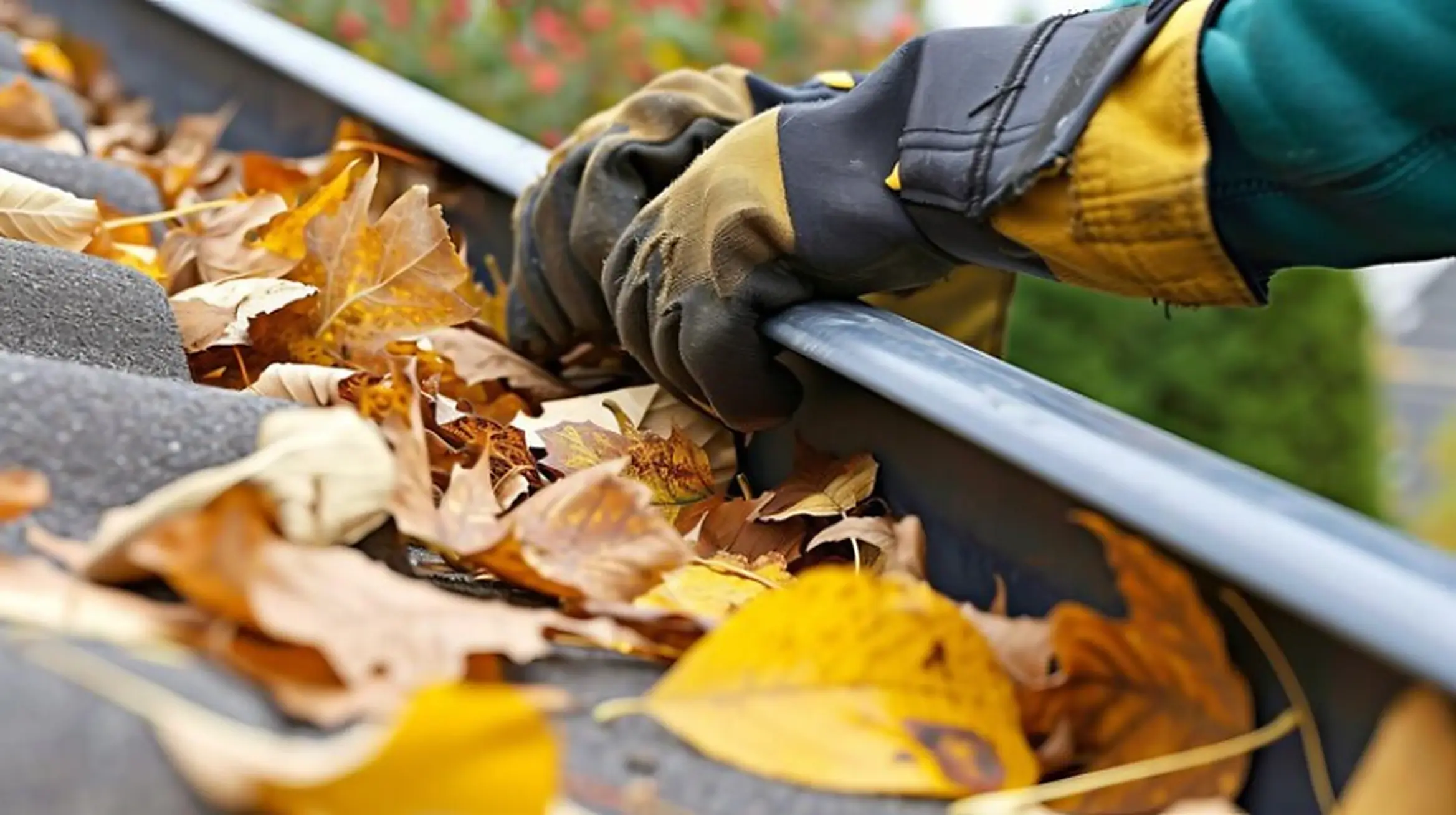
- Leaves, mulch and soil collect nearby.
- Cracks or worn coatings hold moisture.
For example, a driveway may stay clean in its sunny centre while spots return beside a shaded garden. Irrigation spray, leaf litter and slow drying continue supporting growth after cleaning.
How To Remove Black Spots On Concrete Safely
A reliable process starts with inspection and a test patch, followed by suitable treatment, correct dwell time and the lowest effective rinsing pressure. Follow product labels, protect nearby materials and never mix cleaning chemicals.
1. Inspect the finish
Identify whether the surface is plain, coloured, sealed, painted, decorative or exposed aggregate. Check for cracks, flaking, soft areas and old pressure lines because damaged finishes need gentler treatment.
2. Prepare and contain the area
Sweep away grit, leaves and soil, move vehicles and furniture, and restrict access. Plan how residue will be contained before wet cleaning begins.
3. Test a compatible treatment
Select a cleaner labelled for the suspected stain and surface. Test a hidden patch, follow the dilution and dwell instructions, prevent drying, then rinse and inspect the area once dry.
4. Agitate without scratching
Use a nylon brush or stiff deck broom where permitted. Avoid steel wire brushes because metal fragments can remain behind, rust and create extra staining.
5. Rinse evenly
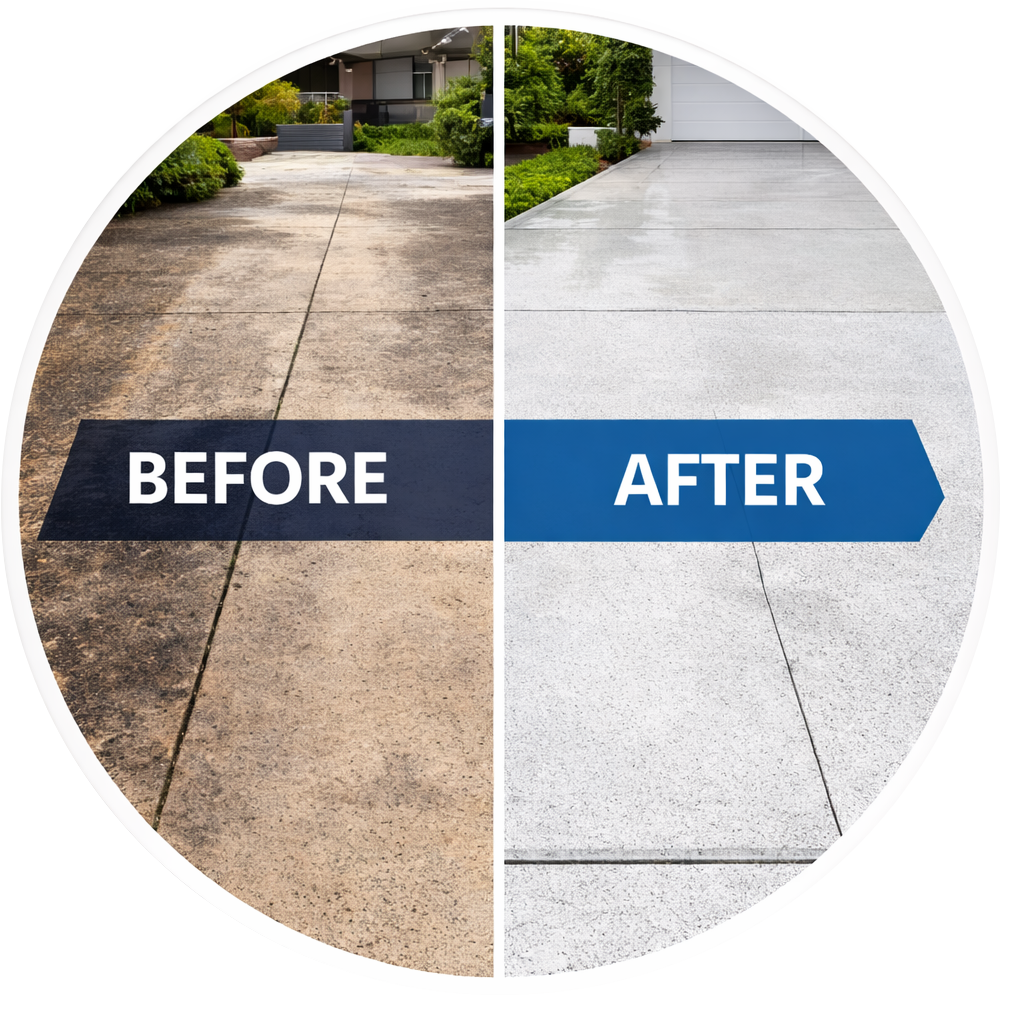
Use consistent distance, overlapping passes and the lowest effective pressure. For larger sound areas, driveway pressure cleaning can provide more even coverage than repeatedly aiming a narrow jet at individual spots.
6. Reassess after drying
Wet concrete appears darker, so assess the result after it dries. When shadows remain, consider whether the cause is oil, rubber, tannin, rust or coating damage before repeating treatment.
Which Cleaning Method Works Best?
The best method depends on the contaminant, finish and area size. Mild manual cleaning may suit fresh marks, while established lichen or widespread biofilm usually needs targeted treatment before controlled rinsing.
| Method | Best for | Limitation |
| Detergent and nylon brushing | Light dirt and fresh grease | Slow on large areas |
| Organic growth treatment | Lichen, mould and algae | Needs correct dwell time |
| Concrete degreaser | Oil and tyre residue | Does not treat growth |
| Controlled pressure cleaning | Large sound areas | Poor technique can etch |
| Cleaning and sealing | Suitable dry concrete | Preparation must be thorough |
DIY work may suit one small, fresh patch. Specialist cleaning is more appropriate for widespread contamination, delicate finishes, steep areas, overlapping stains or sites where wastewater is difficult to contain.
Can Dark Growth Make Concrete Unsafe?
Organic films may reduce traction when wet, particularly on slopes, steps, entrances and pool surrounds. Cleaning cannot correct every traction problem. Concrete may remain slick because it is too smooth, poorly drained or covered by a worn glossy coating. Advice on fixing a slippery driveway explains when drainage, texture or resurfacing may also be needed.
How To Get Rid Of Black Spots On Concrete For Longer
Preventing black spots on concrete from returning requires regular debris removal, better drainage, faster surface drying and early treatment when small marks first appear.
- Sweep leaves, soil and mulch from edges.
- Repair leaks and redirect irrigation spray.
- Clear drains and investigate pooling.
- Trim vegetation to improve airflow.
- Treat early spotting before it spreads.
- Consider concrete sealing after cleaning and drying.
Sealer can reduce absorption and simplify maintenance, but it does not repair leaks or drainage. It must suit the surface and provide appropriate wet slip resistance.
When Should You Arrange Specialist Concrete Cleaning?
Specialist assessment is sensible when staining is widespread, repeatedly returns or affects coloured, sealed, painted or decorative concrete. It is also appropriate for steep driveways, pool areas, damaged surfaces and locations where dirty water cannot be contained.
Arrange help when:
- Spots remain after a test treatment.
- Previous cleaning left stripes or roughness.
- Oil, rust and growth overlap.
- Cracks, flaking or coating failure are visible.
- A sloped area has lost grip.
- Runoff may reach stormwater.
Restore Cleaner and Safer Concrete
Knowing how to remove black spots on concrete requires correct identification, compatible treatment, dwell time, controlled rinsing and moisture management. These steps protect the finish while producing a cleaner and more consistent result.
Elite Property Northern Beaches can assess driveways, paths, patios and other concrete areas across Sydney. Call 0416 007 745 or email admin@elitepropertynorthernbeaches.com.au to request a quote for a method selected around the stain, surface condition, access and drainage.