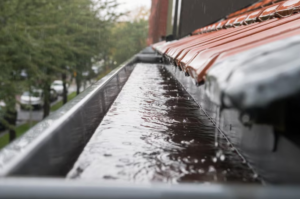
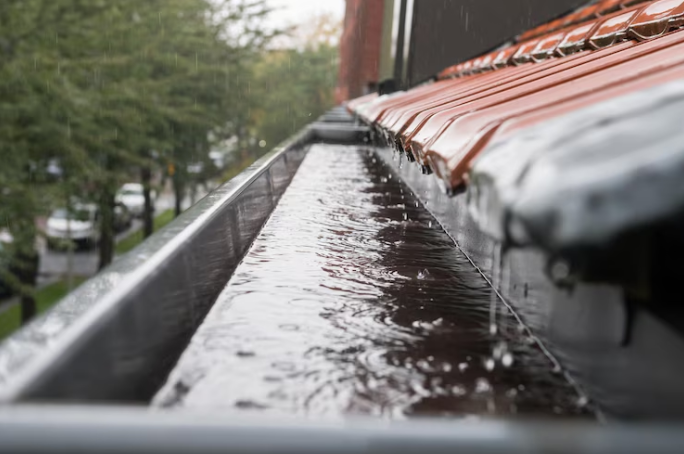
Overflowing gutters usually mean rainwater cannot move through the gutter, outlet, downpipe, or connected drainage system fast enough. Leaves and debris are common causes, but repeated spillover can also indicate poor gutter fall, damaged sections, insufficient capacity, or a blocked stormwater connection.
Knowing how to narrow down the cause can help you recognise warning signs and choose the right service provider. For difficult access or visible build-up, professional gutter cleaning can restore water flow and reveal whether repairs or further drainage work may be required.
Key Takeaways
- Check where water escapes because the location often points to the cause.
- Treat clean channels that still spill as a possible alignment, capacity, or stormwater fault.
- Act promptly when water reaches eaves, walls, entrances, paths, or the ground beside the home.
- Observe the system from ground level and avoid roof or ladder work during wet weather.
- Match the service to the fault because cleaning cannot correct damaged or undersized drainage.
What Causes Overflowing Gutters?
Gutter overflow occurs when rain enters faster than the system can discharge it. Common causes include debris, blocked outlets, obstructed downpipes, poor fall, sagging brackets, damage, insufficient capacity, and stormwater restrictions. Local spillover often points to one outlet, while widespread spillover suggests broader blockage or capacity limits.
Leaves, Silt, And Roof Debris
Leaves, seed pods, nesting material, and sediment can block the channel or outlet, forcing water over the edge.
Roof moss can break away and refill a cleared gutter. Where widespread growth is the source, roof moss treatment may be more useful than repeatedly removing the fallen material.
Blocked Outlets And Downpipes
A clear channel may hide a restriction at the outlet, downpipe bend, tank screen, or stormwater pipe. Backup near one downpipe is a useful clue.
Poor Fall, Sagging, Or Damage
Loose brackets, settlement, or damage can create low points that fill first. If you see gutters overflowing at the same spot after every storm, record the location from the ground.
Insufficient Capacity
Roof area, pitch, gutter profile, outlets, downpipes, and rainfall intensity affect capacity. Repeated overflowing gutters may result when valleys or upper roofs concentrate water into a short section.
Why Are Gutters Overflowing But Not Clogged?
Gutters can overflow even when they appear clean. This may be caused by poor water flow rather than visible debris. Common causes also include the following:
- incorrect gutter fall
- undersized outlets
- blocked or partly blocked downpipes
- heavy water flow from roof valleys
- blockages in the stormwater drainage system
- rainfall that exceeds the gutter system’s capacity
A clean gutter does not always mean the entire system is clear. Blockages may be located inside a downpipe or further along the stormwater drainage system. Incorrect gutter fall or limited outlet capacity can also prevent rainwater from draining away efficiently.
The right overflowing gutter solution depends on the cause. Cleaning may resolve leaves, debris, or other build-up that is blocking water flow. Issues involving gutter alignment, outlet capacity, damaged components or underground drainage may require assessment by a qualified roof plumber or drainage specialist.
What Could Gutter Overflow Mean For Your Home?
Gutter overflow can direct rainwater towards parts of your home that are not designed to stay wet. Recurring overflow may lead to damp eaves and fascia, stained or damaged walls, water pooling near the foundations, slippery paths, soil erosion and, in some cases, water entering the home.
Warning signs can include:
- water marks or peeling paint beneath the roof edge
- dampness or staining on ceilings or external walls
- rotting timber, corrosion or loose fascia and gutter brackets
- eroded soil or recurring water pooling beside the home
- slippery algae growth on paths below where the gutter overflows
- water entering doorways, balconies, garages or lower roof areas
For rental properties, these issues may also raise questions about who should report, arrange or pay for maintenance. Understanding gutter responsibilities in rental properties can help owners and tenants deal with overflow before it leads to further damage.
How Can Homeowners Diagnose the Cause Safely?
Homeowners can often gather useful clues by observing the gutters safely from ground level before, during and after rain. Note where the overflow occurs, how quickly it starts and whether nearby downpipes appear to be draining normally. Avoid climbing onto a wet roof or attempting repairs during a storm.
Use the following checks to help identify the likely cause:
- Locate the overflow. Note whether water is overflowing along the gutter, around a corner, behind the gutter or near an outlet.
- Check the visible condition. Once the weather clears, look for leaves, debris, sagging sections, separated joints or water staining.
- Record when the overflow starts. Overflow that begins quickly during heavy rain may indicate that the gutter or outlet cannot handle the volume of water. Overflow that develops gradually may point to a partial blockage in the gutter, outlet or downpipe.
- Check where the water drains. Look for water backing up around stormwater pits, rainwater tank screens or ground-level drains.
- Take photos or videos. Recording the overflow while it is happening can help a roof plumber or drainage specialist identify the likely problem and determine what needs to be checked next.
What Is the Right Fix for an Overflowing Gutter?
The right fix depends on what is causing the gutter to overflow. Cleaning may resolve leaves, sediment, moss or other accessible blockages. Problems involving damaged gutters, incorrect fall, undersized components or stormwater drainage may require a roof plumber or drainage specialist.
| Suspected issue | Suitable response | Suitable professional |
| Leaves and sediment | Remove debris and check water flow | Gutter cleaner |
| Moss washing down from the roof | Address the moss and clear affected gutters and outlets | Exterior cleaner or roof cleaning specialist |
| Sagging, leaking or separated gutters | Repair or replace damaged sections | Roof plumber |
| Gutters repeatedly overflowing despite being clean | Check gutter fall, outlets, downpipes and system capacity | Roof plumber |
| Water backing up from stormwater pits or pipes | Inspect the stormwater drainage system for blockages or damage | Licensed plumber or drainage specialist |
| Unsafe or multi-storey access | Use appropriate access equipment and fall protection | Properly equipped cleaning professional |
Gutter cleaning can restore water flow and make existing problems easier to identify. However, damaged guttering, incorrect fall, undersized components or problems within the stormwater drainage system may require separate repairs by an appropriately qualified professional.
How Can You Reduce Future Overflow?
Regular inspection and maintenance can help reduce the risk of future gutter overflow. Check gutters before periods of heavy rain, after severe weather, and when nearby trees, moss, birds or building work are likely to increase debris. Gutter guards can reduce the amount of larger debris entering the gutter, but outlets, screens and downpipes still need to be checked.
A practical maintenance routine can include:
- checking visible gutters and outlets before forecast heavy rain
- removing leaves and debris before they build up around outlets
- checking rainwater tank screens, grates and drainage points
- rechecking areas where water has previously pooled or overflowed
- keeping photos and service records when overflow occurs more than once
How often gutters need attention will depend on the property, surrounding vegetation, weather conditions and how quickly debris builds up.
Protect Your Home Before The Next Downpour
Overflowing gutters should be treated as a drainage warning, not only an appearance issue. Identify where and when water escapes, arrange cleaning when build-up is present, and seek roof plumbing or drainage advice when a clear system still fails in normal heavy rain.
Elite Property Northern Beaches provides gutter cleaning for homes and businesses across the Northern Beaches. Call 0416 007 745, email admin@elitepropertynorthernbeaches.com.au, or request a free quote for an assessment of build-up, access, and cleaning requirements.