Knowing how to clean black mould correctly is essential for homeowners and property managers across Sydney, especially in moisture-prone coastal areas like the Northern Beaches. Black mould is more than an unsightly problem. It can spread quickly, stain surfaces, and create unhealthy indoor and outdoor environments if not addressed properly.
Many people attempt quick fixes without understanding how to clean mould safely, which often leads to regrowth. The most effective approach depends on where the mould is growing, the surface type, and whether moisture issues are still present.
Key Takeaways
- Black mould thrives in damp, shaded, and poorly ventilated areas
- Different surfaces require different cleaning methods
- Outdoor mould often returns without proper treatment
- Gentle techniques protect surfaces from damage
- Professional cleaning offers longer-lasting results
Why Black Mould Is Common in Australian Homes
Australia’s climate creates ideal conditions for mould growth, particularly in coastal suburbs. High humidity, rainfall, and salt air contribute to persistent moisture on walls, fences, and outdoor equipment. Black mould commonly appears on painted walls, timber fencing, concrete, and air conditioning components.
Health authorities in Australia consistently advise addressing mould early, as prolonged exposure can aggravate respiratory issues. When learning how to clean black mould, it is important to remove not only visible growth but also the spores that allow it to return.
Best Way to Clean Black Mould Safely
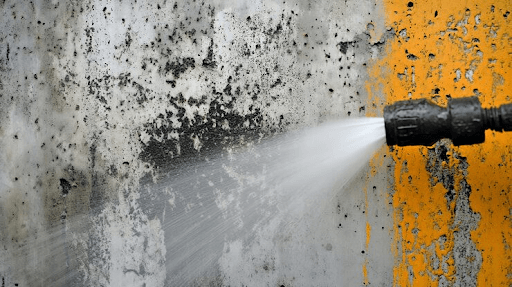
The best way to clean black mould starts with safety. Always wear gloves, eye protection, and a mask before cleaning. Open windows or work outdoors where possible to minimise airborne spores.
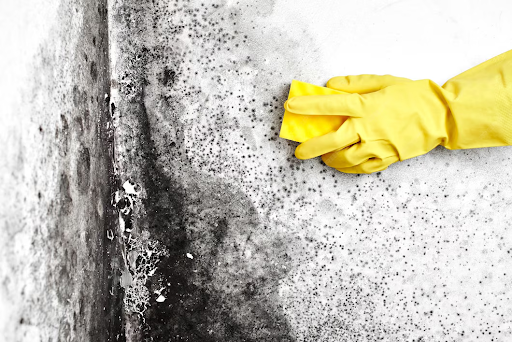
For light surface mould, a mould-specific solution or diluted vinegar can help. Apply the solution, allow it to sit, then gently wipe the area clean. Avoid dry scrubbing, as this can release spores into the air. Surfaces should be thoroughly dried after cleaning to limit moisture retention.
If mould spreads across large areas or keeps returning, professional treatment is often the safest option.
How to Clean Black Mould Off Walls Without Damage
Learning how to clean black mould off walls requires extra care, especially on painted or rendered surfaces. Harsh abrasives and excessive pressure can strip paint or damage wall finishes.
Use a soft cloth or sponge with a suitable cleaning solution and wipe gently. Allow the treatment to penetrate before removing residue. Persistent staining may indicate mould beneath the surface, which usually cannot be resolved with DIY methods alone.
Many homeowners who already use residential exterior cleaning services find professional mould treatment integrates well with routine property maintenance.
How to Clean Black Mould on Fence Surfaces
Timber and Colorbond fences are common places for mould growth due to constant exposure to moisture and shade. Understanding how to clean black mould on fence surfaces helps restore the appearance and extend the life of the material.
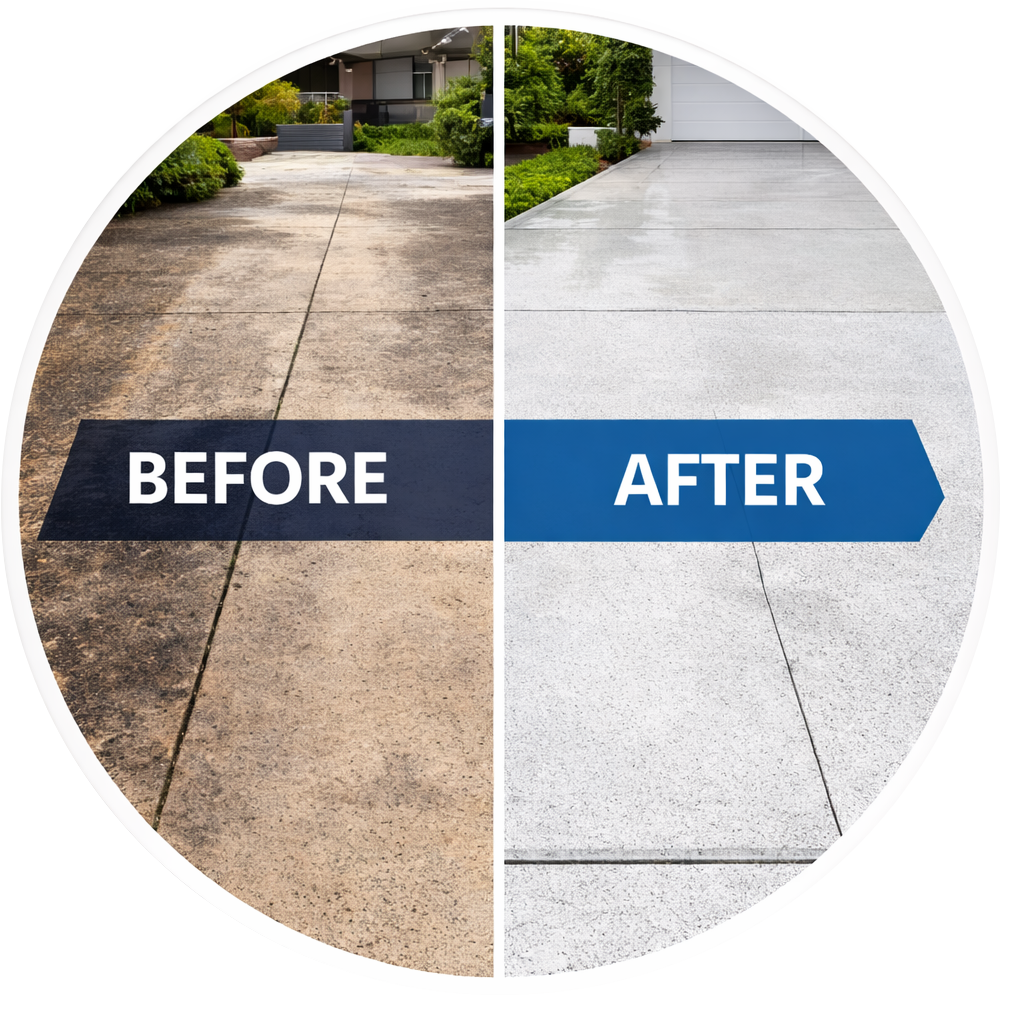
Low-pressure washing combined with appropriate treatments is effective for removing mould without damaging timber fibres or coatings. High pressure can force moisture deeper into the fence, increasing the chance of regrowth. Soft washing techniques provide a safer and more effective result for outdoor fencing.
This approach is particularly useful for properties that already rely on commercial cleaning solutions for shared or boundary areas.
How to Clean Black Mould on Condenser Units
Outdoor air conditioning units are another common mould hotspot. If you are researching how to clean black mould on condenser components, caution is essential. Electrical parts should never be saturated with water or harsh chemicals.
Turn off the power before cleaning and focus on external surfaces only. A gentle cleaning solution and light rinse help remove surface mould. Internal mould or heavy buildup should always be handled by professionals to avoid damage or safety risks.
When Professional Black Mould Cleaning Is Needed
DIY methods are suitable for small patches, but repeated attempts to clean black mould without lasting success usually indicate deeper contamination. Large affected areas, strong odours, or mould appearing across multiple surfaces are signs that professional treatment is required.
Professional services use commercial-grade equipment and treatments that target mould at its root, reducing the chance of recurrence. This is particularly important for exterior walls, fences, and shared spaces where mould can spread quickly.
Preventing Black Mould After Cleaning
Understanding how to clean black mould is only part of the solution. Prevention plays a key role in keeping mould from returning. Improving airflow, trimming vegetation near walls, repairing leaks, and allowing surfaces to dry properly all reduce mould-friendly conditions.
Routine exterior cleaning also helps prevent buildup before it becomes severe. Addressing mould early saves time, cost, and surface damage over the long term.
Conclusion
Learning how to clean black mould properly helps protect your property, surfaces, and overall environment. While small mould patches can sometimes be managed with careful cleaning, recurring or widespread mould often requires professional expertise for lasting results. Elite Property Northern Beaches provides specialised mould and exterior cleaning solutions suited to Sydney’s coastal conditions.
For expert advice or to book a professional service, call 0416007745 today.