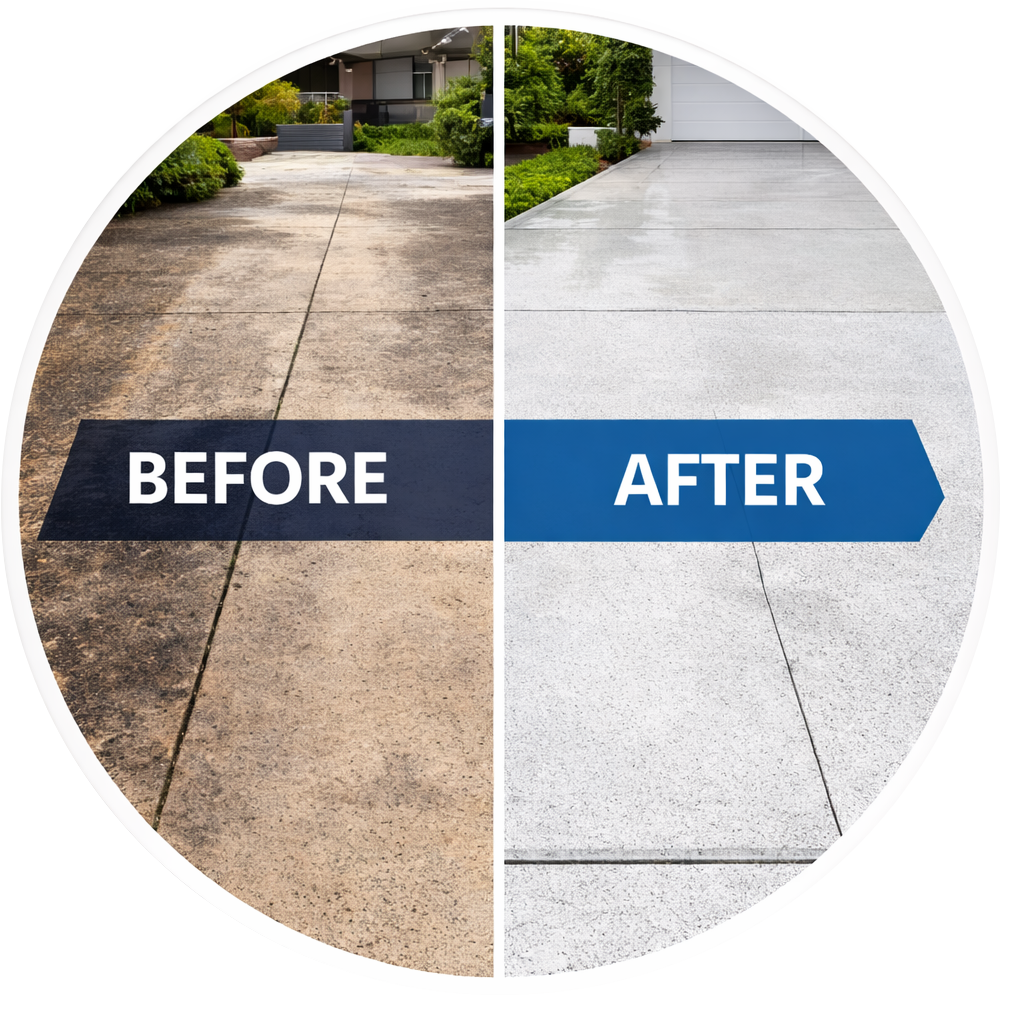
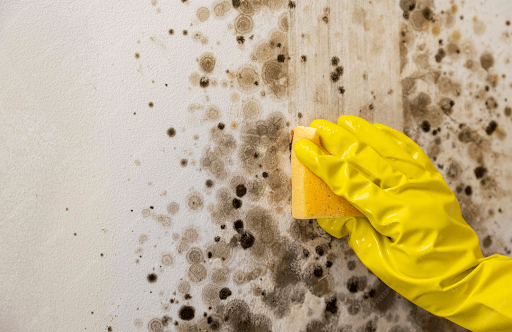
Understanding mould treatment is essential for maintaining a healthy property, where moisture, humidity, and salt air are ongoing challenges. Exterior mould is more than a surface issue. If left untreated, it can stain walls, weaken building materials, and create persistent maintenance problems for both residential and commercial properties.
For many property owners, mould treatment begins with exterior pressure cleaning. However, effective mould treatment requires more than removing visible growth. It involves addressing mould at its source and using the correct exterior cleaning methods to prevent regrowth.
Key Takeaways
- Exterior mould develops quickly in damp, shaded environments
- High pressure alone can damage surfaces and spread mould spores
- Different exterior surfaces require different treatment methods
- Soft washing is often more effective than aggressive pressure
- Professional exterior mould treatment delivers longer-lasting results
Why Mould Is So Common on Exterior Surfaces
Australia’s coastal climate creates ideal conditions for exterior mould growth, especially in areas like the Northern Beaches. Rainfall, humidity, sea air, and organic debris allow mould spores to settle and thrive on external walls, fences, roofs, and paved areas.
Common exterior contributors to mould include:
- Shaded walls that receive limited sunlight
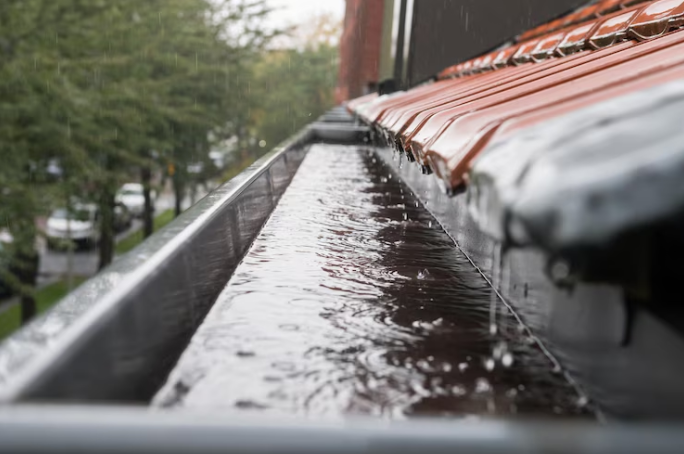
- Blocked gutters causing water runoff and damp patches
- Poor drainage around driveways and paths
- Organic buildup, such as dirt, leaves, and salt residue
Because exterior surfaces are constantly exposed to the elements, mould treatment must be designed specifically for outdoor conditions rather than relying on basic cleaning alone.
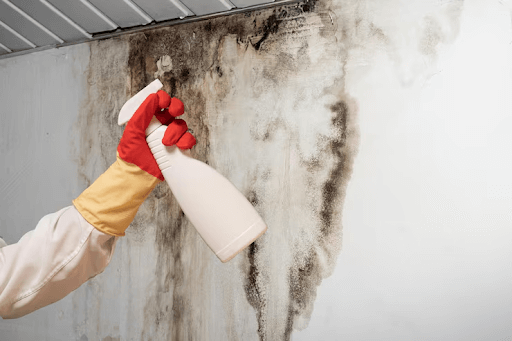
Black mould is commonly found on exterior walls, fences, rendered surfaces, and shaded areas where moisture lingers. Unlike light surface mould, black mould can embed itself into porous materials such as concrete, brick, and render.
Using excessive pressure to remove black mould can:
- Etch or damage surfaces
- Force spores deeper into materials
- Cause rapid regrowth
Professional mould treatment for walls uses controlled pressure combined with specialised cleaning solutions. This approach neutralises mould at the surface and below without spreading spores or damaging the structure.
Exterior Mould Treatment and Pressure Cleaning Methods
Exterior mould treatment focuses on protecting surfaces while removing mould effectively. Not all pressure cleaning methods are suitable for mould removal.
Key principles of exterior mould treatment include:
- Using low to moderate pressure, depending on the surface
- Applying mould-specific treatments before rinsing
- Allowing solutions time to break down spores
- Ensuring surfaces dry thoroughly after cleaning
Soft washing is commonly used for mould-affected exteriors. It combines lower pressure with targeted solutions to safely clean walls, fences, pathways, and driveways without causing surface damage.
Common Exterior Areas Affected by Mould
Exterior mould most often appears in areas that stay damp or shaded for extended periods. These include:
- South-facing or shaded exterior walls
- Boundary fences and retaining walls
- Driveways and paved walkways
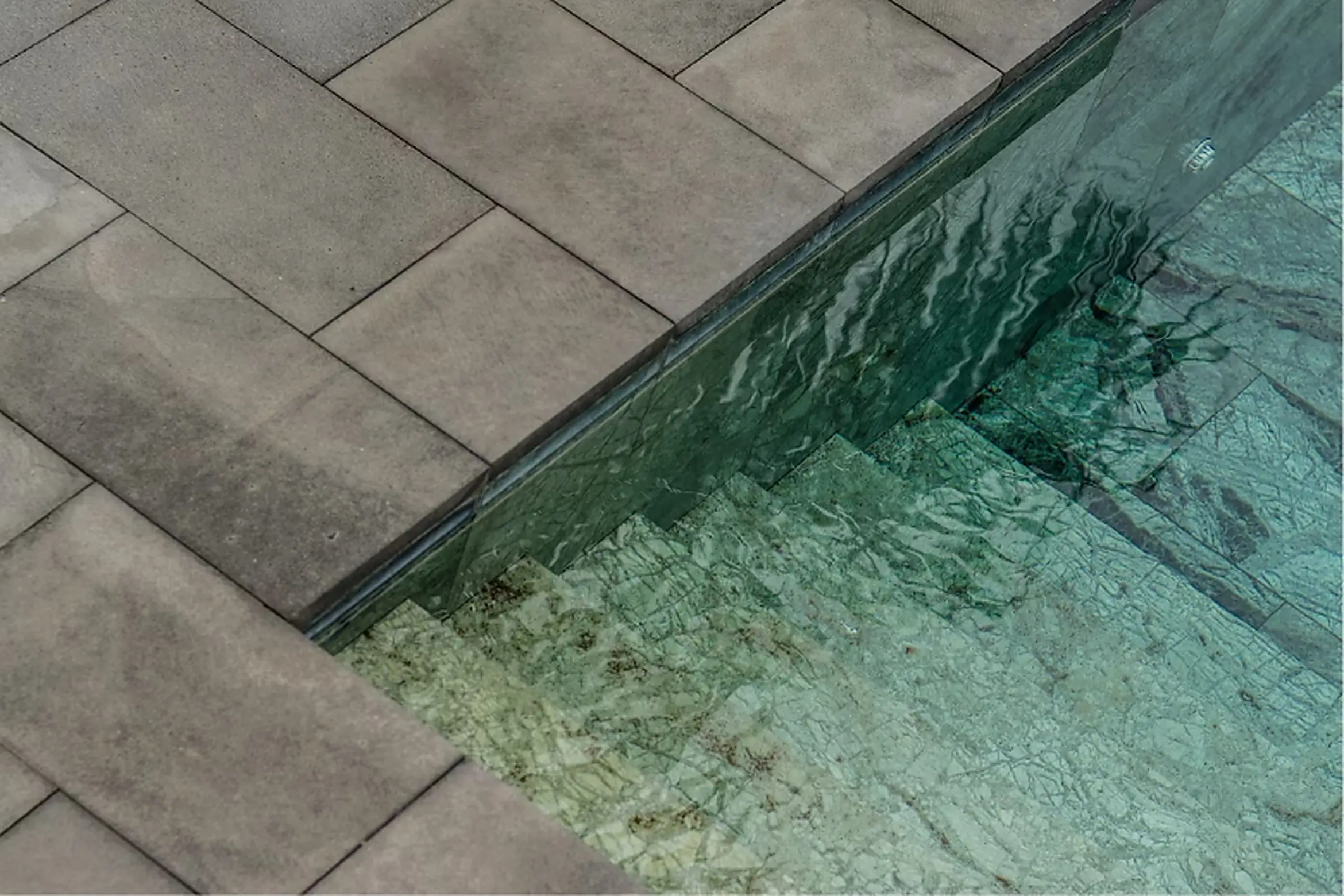
- Pool surrounds and outdoor entertaining areas
Regular exterior pressure cleaning helps prevent mould from becoming established, especially in coastal environments where moisture exposure is unavoidable.
External Mould Treatment Cost Factors
The cost of external mould treatment varies depending on several factors, including:
- Size of the affected exterior area
- Type of surface being cleaned
- Severity and spread of mould growth
- Accessibility of walls or structures
Larger properties or widespread mould across walls and hard surfaces may require more time and specialised equipment. Professional exterior pressure cleaning often provides better long-term value by reducing repeat treatments and surface damage.
When Professional Exterior Mould Treatment Is Recommended
DIY pressure cleaning can help with light surface buildup, but professional treatment is recommended when exterior mould:
- Covers large wall or fence areas
- Returns quickly after cleaning
- Has penetrated porous surfaces
- Affects multiple exterior zones
Professional services use commercial-grade solutions and proven exterior cleaning methods designed for coastal properties.
Preventing Exterior Mould After Treatment
Preventing mould regrowth is an important part of exterior property care. While mould cannot be eliminated in coastal environments, it can be managed effectively.
Helpful prevention steps include:
- Keeping gutters clear and functional
- Improving drainage around the property
- Trimming vegetation near walls and fences
- Scheduling routine exterior pressure cleaning
Consistent maintenance helps protect exterior surfaces, extend their lifespan, and maintain a cleaner, healthier property appearance.
Conclusion
Understanding the basics of exterior mould treatment is key to maintaining a healthy and well-presented property. While basic cleaning may improve appearance temporarily, long-lasting results come from proper exterior pressure cleaning methods and moisture management.
Elite Property Northern Beaches provides professional residential and commercial pressure cleaning and mould treatment solutions designed for Sydney’s coastal conditions. For expert advice or to arrange a service, call 0416 007 745 today.