A slippery driveway is more than a minor annoyance; it is a genuine safety hazard. Wet leaves, algae, moss, or even natural wear and tear can create slick surfaces that make it easy to slip or lose traction. Whether your driveway sees heavy vehicle traffic or is mostly used for walking, addressing slipperiness is crucial. Understanding the causes is the first step in learning how to fix a slippery driveway effectively.
Moisture combined with organic growth is one of the main contributors. Rainwater mixed with fallen leaves encourages the growth of moss or algae, creating a slick layer. Shaded areas or spots that receive little sunlight are particularly prone to making the driveway slippery when wet. Oil or grease from cars can also form slick patches, increasing the risk for both pedestrians and vehicles.
Common Causes Of Slippery Surfaces
Before diving into solutions, it’s essential to identify why your driveway is slippery. Some of the most common culprits include:
- Algae and Moss Build-Up: Moss and algae thrive in damp, shaded areas. Once established, they retain moisture and reduce traction, making your slippery driveway dangerous. Often, these patches are hidden under debris, so you may not notice the risk until someone slips.
- Worn-Out Driveway Material: Concrete or asphalt surfaces can become smooth over time due to regular use or poor finishing. A smooth surface reduces grip, which is a common reason for a driveway slippery when wet.
- Debris Accumulation: Leaves, twigs, and organic matter break down into a thin, slick layer when wet. Even a small amount of debris can make walking or driving hazardous.
- Chemical Spills: Oil, grease, or fertilisers can seep into the driveway surface, creating slick patches that require professional slippery driveway solutions to safely remove.
- Poor Drainage: Standing water collects in low spots, promoting moss and algae growth. It also leaves surfaces slick after rain, making the driveway slippery when wet.
Effective Slippery Driveway Solutions
Knowing the cause helps you determine the best course of action. Here are proven slippery driveway solutions to restore safety and prevent accidents.
1. Pressure Washing
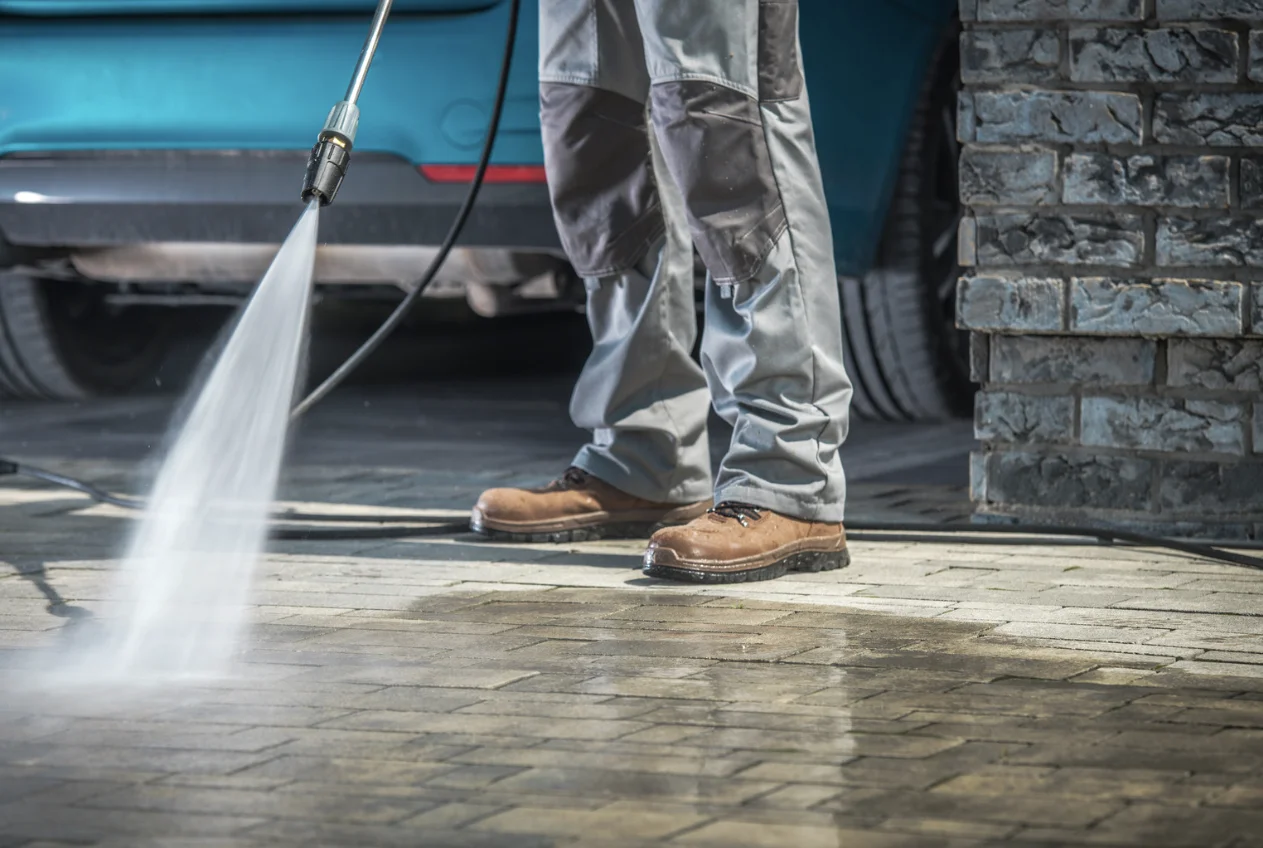
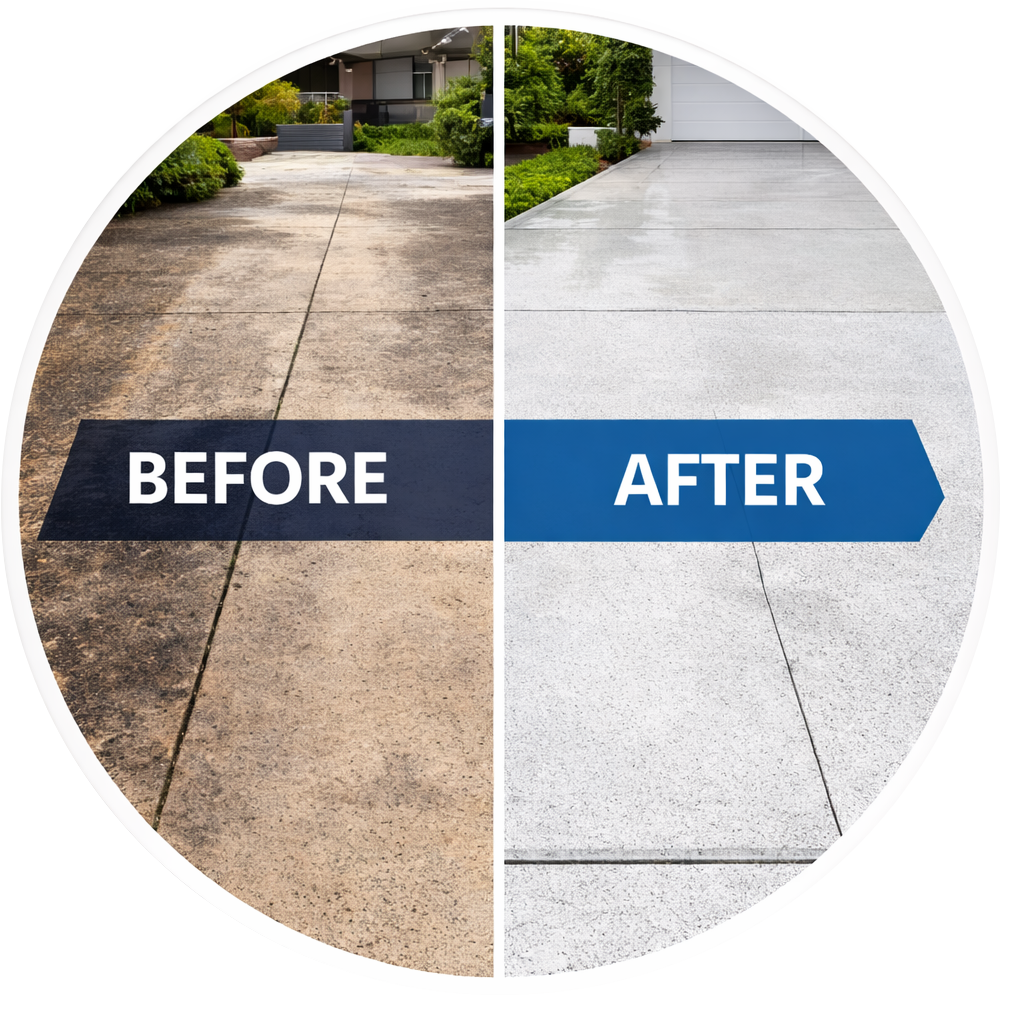
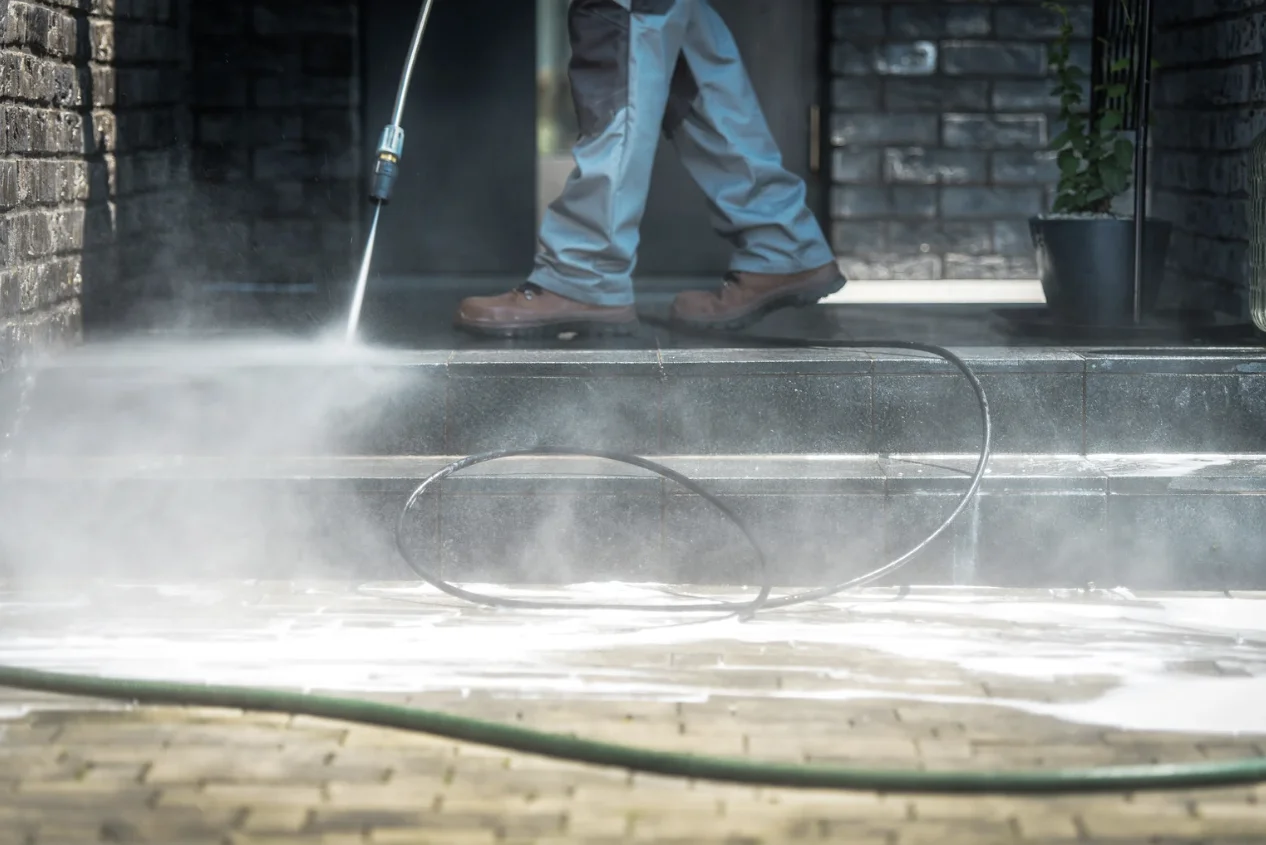
One of the easiest ways to clean moss, algae, and dirt from your driveway is pressure washing. A thorough wash restores traction, especially when paired with a mild detergent or moss-killing solution. Allow the surface to dry completely afterwards to reduce the risk of a driveway being slippery when wet. Pressure washing is an effective solution for how to fix a slippery driveway.
2. Chemical Treatments
Algaecides or moss removers designed specifically for driveways eliminate slippery organic growth and prevent its return. Following instructions carefully and rinsing thoroughly helps maintain a safe surface.
3. Anti-Slip Coatings
Applying an anti-slip coating or sealant immediately improves traction. Aggregates in the coating provide texture, helping keep your driveway safe even after heavy rain. Long-lasting coatings are one of the most reliable slippery driveway solutions and a key method in how to fix a slippery driveway.
4. Sand or Grit Applications
Sprinkling coarse sand or fine gravel over slippery patches provides a fast, temporary fix. Immediate traction is available for areas that become driveway slippery when wet, while the added grit helps reduce hazards on a slippery driveway. Sand may need to be reapplied after heavy rain, making it a quick but short-term solution.
5. Resurfacing the Driveway
Driveways with extensive wear benefit from resurfacing with concrete or asphalt overlays. Restoring texture eliminates slick areas. Although it requires investment, resurfacing is a long-term solution for how to fix a slippery driveway.
6. Improve Drainage
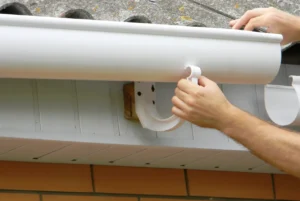
Standing water increases slipperiness. Ensure your driveway is properly sloped and that gutters and drains are clear. Good drainage prevents puddles, reduces moss growth, and keeps your driveway safer year-round.
Preventive Tips to Keep Your Driveway Safe
Preventive measures are essential to maintain a safe driveway, prevent a slippery driveway, and avoid recurring hazards.
- Sweep Regularly: Remove leaves, twigs, dirt, and other debris that can create slick patches, especially after rain or storms.
- Clean Spills Promptly: Oil, grease, and chemicals can make your driveway slippery when wet, so address them immediately.
- Trim Overhanging Branches: Allowing sunlight to reach the surface reduces moss and algae growth.
- Schedule Periodic Washing: Rinse your driveway to prevent buildup of dirt, moss, and algae.
- Inspect and Maintain Surfaces: Check for worn areas or cracks and repair them early to keep traction safe.
End Driveway Slips Before They Start
Accidents can happen when a driveway becomes slippery, but simple steps can greatly reduce the risk. Regularly removing debris, trimming overhanging branches, and applying proven slippery driveway solutions helps keep your driveway safe and secure for everyone who uses it.
Professional help can make the process even easier. Pressure washing is highly effective for removing moss, algae, and dirt buildup. Call Elite Property Northern Beaches at 0416007745 to schedule a service and improve traction. It’s an easy way to take the first step in how to fix a slippery driveway and protecting your home.