Knowing how to remove moss from concrete properly helps prevent slippery floors, stains and long-term damage on driveways, patios, pathways, and pool areas. Moss grows quickly in damp and shaded conditions, especially as we consider how properties in Sydney are affected by humidity and poor drainage. The safest approach to cleaning these surfaces from moss is a combination of moss treatment, pressure cleaning, and an ongoing maintenance to stop moss regrowth without damaging the concrete.
This guide explains the safest cleaning methods, common mistakes, prevention strategies, and when professional exterior cleaning may be the better option.
Key Takeaways
- Moss traps water and can make concrete dangerously slippery
- Pressure washing removes moss effectively when used correctly
- Poor drainage and shade are common causes of recurring moss growth
- Concrete sealing helps reduce future moss buildup
- Regular maintenance helps prevent expensive concrete restoration
Why Moss Grows on Concrete
Moss develops when water stays trapped on concrete for a long time. Shaded areas, blocked drainage, nearby trees, and poor airflow all create ideal conditions for moss growth.
Concrete is naturally porous, which allows water to settle below the finish. Over time, moss spores spread across the concrete, especially during wetter months in Sydney’s coastal areas.
According to the Australian Bureau of Meteorology, Sydney experiences high annual humidity levels and regular rainfall throughout the year, which contributes to moss growth on driveways, retaining walls, and paved outdoor areas.
Why Removing Moss From Concrete Matters
Removing moss early helps reduce safety risks, prevent premature wear, and improve the appearance of outdoor spaces. Moss may look harmless at first, but it can quickly spread across damp concrete surfaces.
Slippery Concrete Increases Fall Risks
Wet moss becomes extremely slippery, especially around pathways, stairs, driveways, and pool surrounds. This increases the risk of slips and injuries for residents and visitors.
Water Can Weaken Concrete Over Time
Moss traps water against the concrete for extended periods. Over time, this can contribute to cracks, staining, and gradual deterioration.
Moss Makes Outdoor Areas Look Neglected
Green moss patches can make otherwise clean outdoor spaces appear poorly maintained. This is especially noticeable before property inspections or home sales.
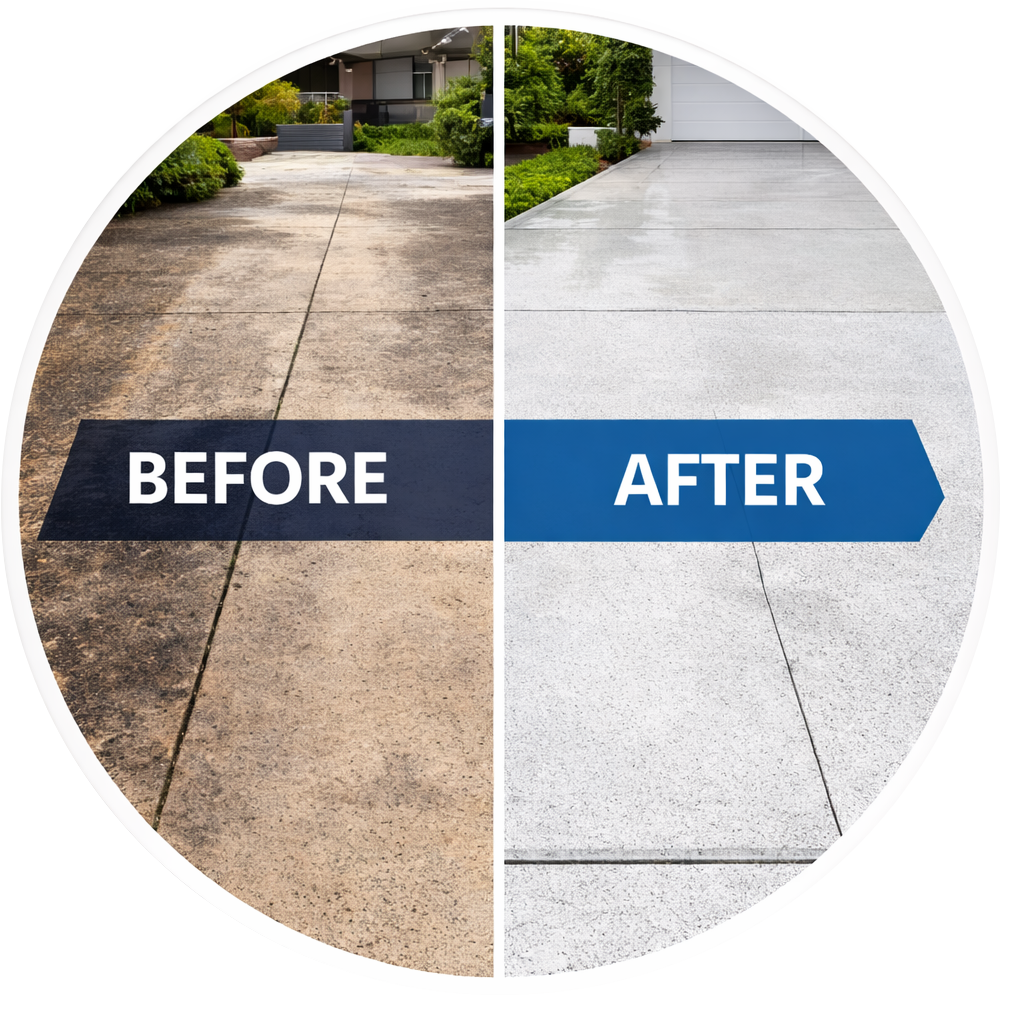
Many homeowners arrange pressure washing services before selling because moss buildup often affects street appeal and first impressions.
Signs Moss Is Starting to Grow on Concrete
Early moss growth is easier to remove than thick, established buildup. Identifying the warning signs early can help prevent deeper staining and slippery surfaces.
Common signs include:
- Green discolouration on concrete
- Dark, damp patches that remain after rain
- Slippery areas near shaded sections
- Moss growth along cracks and edges
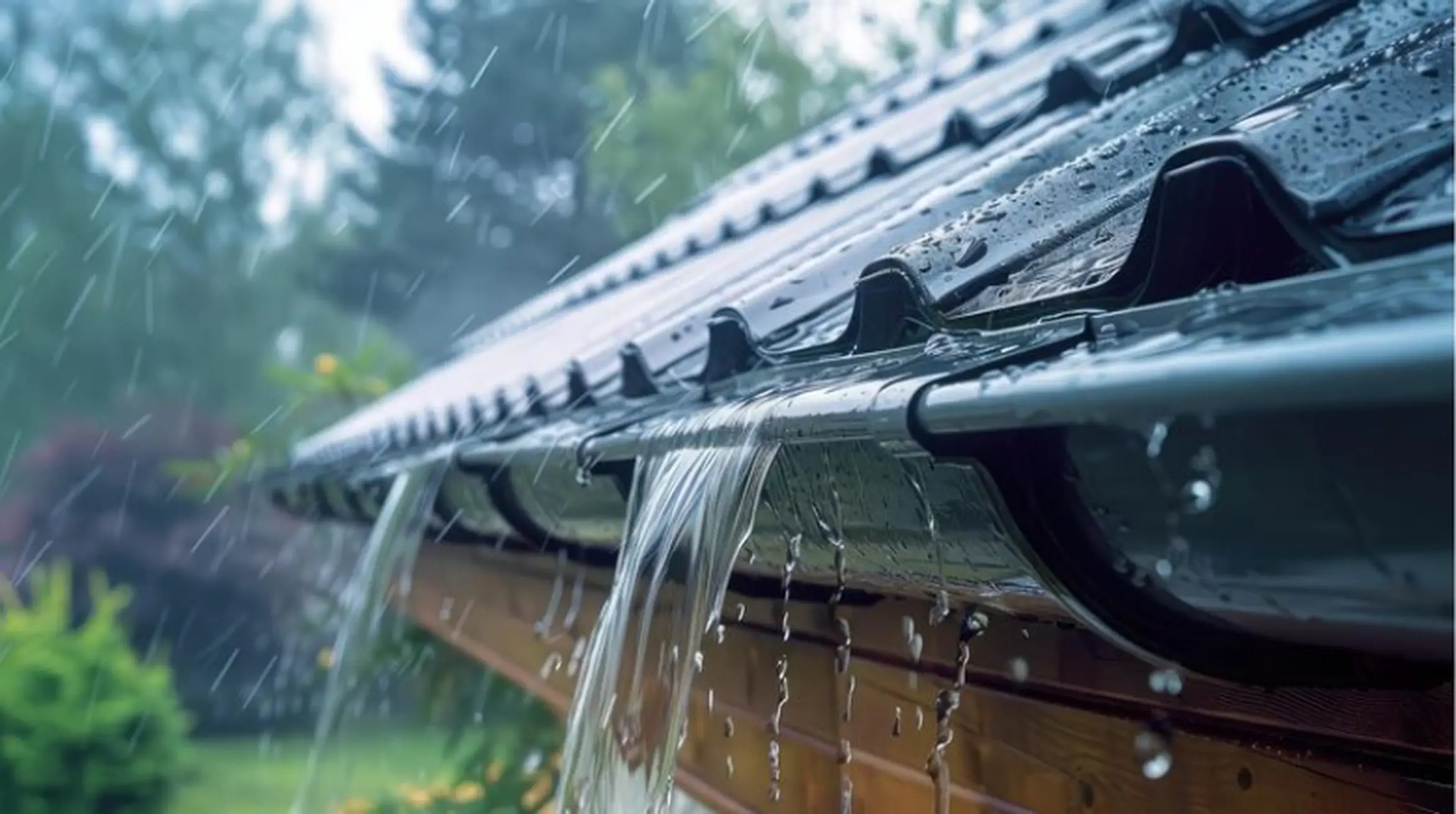
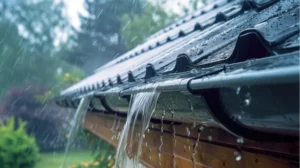
- Water buildup around gutters or downpipes
Outdoor surfaces that stay wet for long periods are far more likely to develop moss problems.
Common Mistakes When Removing Moss From Concrete
Many homeowners use overly aggressive cleaning methods that can damage concrete finishes or worsen wear.
One of the biggest mistakes is using strong chemicals without addressing the underlying drainage issue. If trapped water, shade, or runoff problems remain, moss usually returns within months.
Another common mistake is using excessive pressure during cleaning. Incorrect pressure washing can etch concrete, strip sealers, and leave uneven marks behind.
Understanding these mistakes helps create a safer and more effective cleaning process.
How to Remove Moss From Concrete Safely
The safest method depends on the condition of the concrete, the severity of moss growth, and the size of the affected area.
Step 1: Remove Loose Moss and Debris
Start by sweeping the area thoroughly with a stiff outdoor broom. This removes loose moss, leaves, and dirt before treatment begins.
Pay close attention to corners, cracks, and edges where moss often spreads first.
Step 2: Apply a Moss Treatment Solution
A treatment solution helps loosen embedded moss and break down remaining spores.
Common options include:
- White vinegar mixed with water
- Oxygen bleach solutions
- Commercial moss removers
- Biodegradable exterior cleaning products
Avoid overly acidic products that may weaken or discolour the concrete.
Step 3: Allow the Solution to Soak
Leave the solution on the surface for 15 to 30 minutes so it can penetrate the moss properly.
Avoid letting the cleaner dry completely during hot weather, as this may reduce effectiveness and leave residue behind.
Step 4: Scrub the Concrete
Use a stiff-bristle brush to scrub the moss from the concrete. Circular scrubbing motions often work best for stubborn areas.
Smaller areas may be cleaned easily by hand, while larger driveways may require professional surface cleaning equipment.
Step 5: Pressure Wash the Area
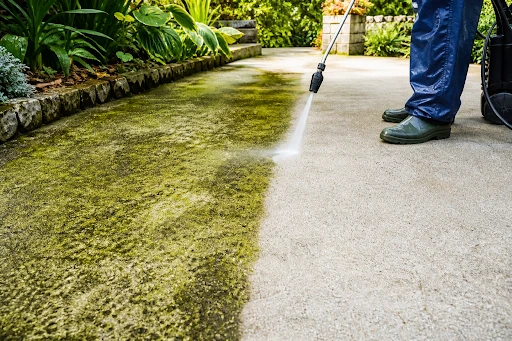
Pressure washing helps remove remaining moss, dirt, spores, and residue from the concrete.
Professional cleaners carefully adjust pressure levels to reduce the risk of etching or surface damage, especially on older or decorative concrete finishes.
Step 6: Improve Drainage and Sunlight Exposure
Cleaning alone will not stop moss permanently if underlying conditions remain unchanged.
Long-term prevention may include:
- Trimming overhanging branches
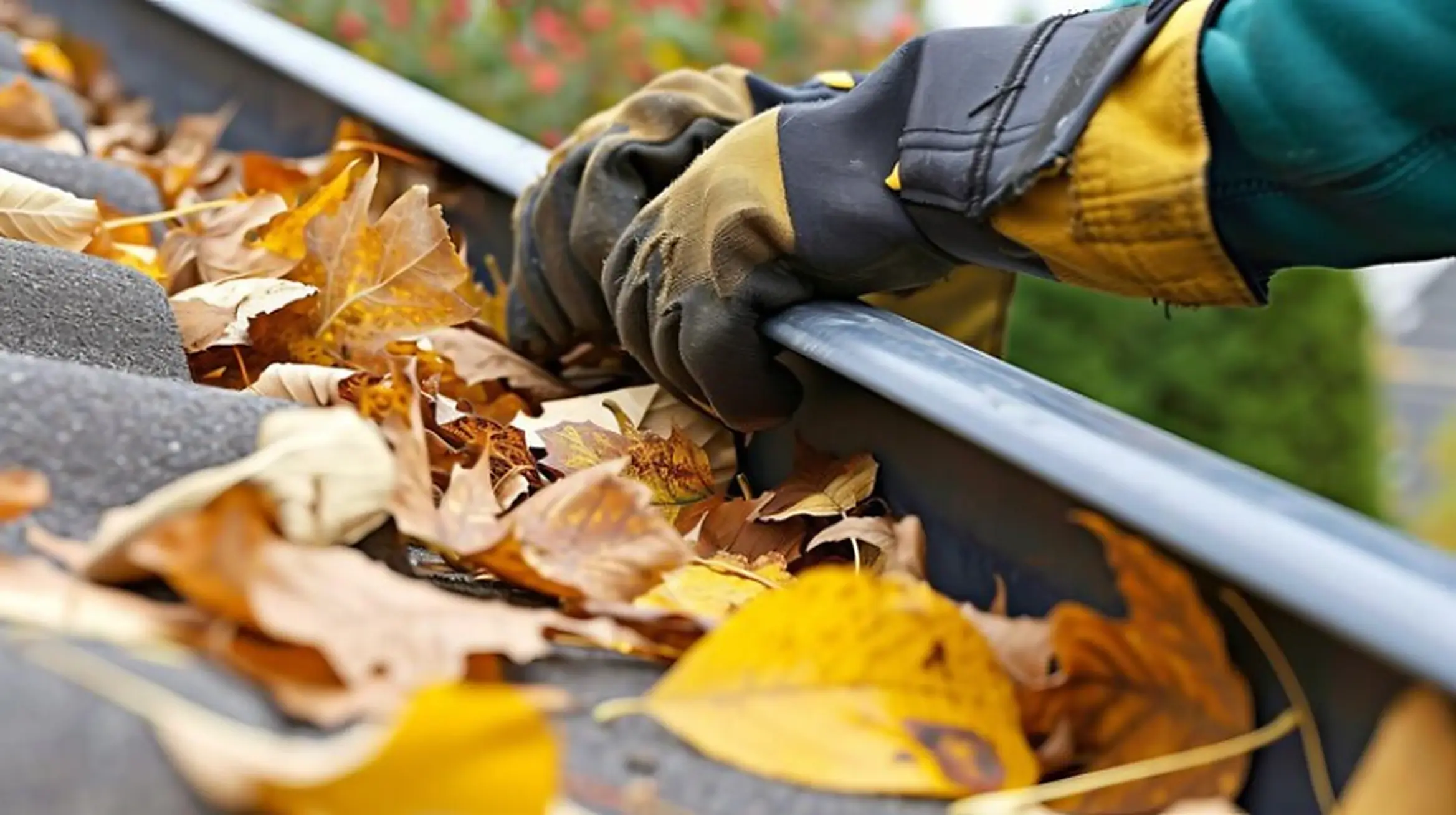
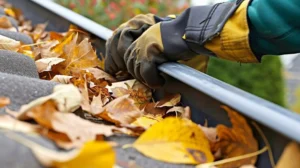
- Clearing blocked gutters
- Redirecting downpipes
- Improving drainage runoff
- Increasing sunlight exposure
Expert Insight: Why Surface Preparation Matters
One of the most overlooked parts of moss removal is surface preparation.
Professional cleaners remove loose debris before pressure washing because organic matter can reduce cleaning effectiveness and spread moss spores during rinsing. Proper preparation also reduces unnecessary pressure exposure, which helps protect the concrete finish.
Best Way to Remove Moss From Concrete
The best way to remove moss from concrete usually combines manual cleaning, moss treatment, and controlled pressure washing.
Different methods work better depending on the condition of the concrete and the severity of the buildup.
| Cleaning Method | Best For | Limitations |
| Scrubbing with vinegar | Small moss patches | Labour intensive |
| Oxygen bleach treatment | Moderate growth | Requires soaking time |
| Pressure washing | Large outdoor areas | Incorrect pressure may damage concrete |
| Professional surface cleaning | Heavy moss buildup | Higher upfront cost |
| Concrete sealing | Long-term prevention | Does not remove existing moss |
Homeowners dealing with widespread moss growth often combine cleaning with concrete cleaning services for more consistent results across larger outdoor areas.
How to Remove Green Moss From Concrete Without Damage
Learning how to remove green moss from concrete safely is important because aggressive cleaning can strip the top layer of concrete or leave visible marks.
Soft washing combines lower pressure with specialised cleaning solutions to break down moss more safely. This method is often recommended for decorative concrete, painted areas, and older pathways.
Professional cleaners may alternate between soft washing and high-pressure cleaning depending on the condition of the concrete and the level of contamination.
How Do You Remove Moss From Concrete Permanently
Many property owners ask how to remove moss from concrete permanently, but long-term control depends more on prevention than cleaning alone.
Reduce Surface Water Exposure
Concrete that dries properly is far less likely to support moss growth.
Important prevention steps include:
- Repair drainage problems
- Remove pooling water
- Clear blocked gutters
- Improve air circulation
- Increase sunlight exposure
Seal the Concrete
Concrete sealing creates a protective barrier that reduces water absorption and makes future cleaning easier.
Sealed concrete is generally less likely to trap dirt, organic buildup, and water.
Schedule Routine Exterior Cleaning
Routine maintenance cleaning every 6 to 12 months helps prevent moss from becoming deeply embedded in the concrete.
This is especially important in shaded Northern Beaches properties exposed to humidity and coastal conditions throughout the year.
Can You Pressure Wash Moss Off Concrete
Yes, pressure washing is one of the fastest ways to remove moss from concrete, but the process must be done carefully to avoid damage.
When Pressure Washing Works Best
Pressure washing is highly effective for:
- Driveways
- Patios
- Footpaths
- Pool surrounds
- Commercial walkways
- Tennis courts
Risks of Incorrect Pressure Washing
Using excessive pressure can:
- Etch the concrete
- Remove protective sealers
- Leave uneven cleaning marks
- Force water deeper into cracks
Experienced exterior cleaners adjust pressure levels based on the type, age, and condition of the concrete.
When Concrete Should Not Be Pressure Washed
Some surfaces require extra care during cleaning.
Avoid high-pressure washing on:
- Cracked concrete
- Loose painted coatings
- Decorative painted finishes
- Fragile older concrete
- Surfaces with existing structural damage
Professional assessment may help determine whether soft washing or lower-pressure cleaning is the safer option.
Natural Moss Removal vs Commercial Moss Treatments
Some homeowners prefer natural cleaning methods, while others choose commercial products for faster results.
Natural Cleaning Methods
Natural options may include:
- Vinegar and water
- Baking soda
- Hot water scrubbing
Benefits include:
- Lower environmental impact
- Safer around pets and gardens
Limitations include:
- Slower cleaning results
- Less effective on heavy moss buildup
Commercial Moss Treatments
Commercial moss removers are designed to target moss spores more aggressively.
Benefits include:
- Faster cleaning
- Longer-lasting results
- Better performance on larger areas
Limitations include:
- Some products may affect nearby plants
- Incorrect use may stain concrete
Signs You Should Call a Professional
Some moss problems are difficult to solve using household equipment alone.
Professional cleaning may be recommended when:
- Moss covers large areas
- Concrete becomes dangerously slippery
- Moss keeps returning after cleaning
- Staining remains after treatment
- The concrete is older or delicate
- Drainage problems require assessment
Professional exterior cleaning companies use specialised equipment and surface-specific techniques designed for different contamination levels and concrete finishes.
Preventing Moss Growth After Cleaning
Preventive maintenance is often easier and more affordable than repeated deep cleaning.
Keep Outdoor Areas Clean
Leaves, dirt, and organic debris trap water against concrete. Regular sweeping helps reduce buildup.
Improve Water Runoff
Pooling water encourages moss growth quickly. Ensure outdoor surfaces drain properly after rainfall.
Trim Nearby Trees and Plants
Reducing shade allows concrete to dry faster after rain or cleaning.
Schedule Seasonal Exterior Cleaning
Routine exterior maintenance helps identify early moss growth before outdoor areas become slippery or heavily stained.
Many homeowners combine preventative maintenance with mould and moss removal services to maintain cleaner outdoor surfaces year-round.
Keep Your Concrete Cleaner, Safer, and Moss Free for Longer
Understanding how to remove moss from concrete properly helps protect outdoor areas from slippery buildup, staining, and premature wear. Using the right cleaning methods, improving drainage, and maintaining concrete regularly can help keep outdoor surfaces cleaner and safer throughout the year.
For heavily affected driveways, pathways, patios, pool surrounds, and commercial areas, professional pressure cleaning can provide more consistent and longer-lasting results. To arrange expert exterior cleaning services, reach out to Elite Property Northern Beaches through the Contact Us page, call 0416 007 745, or email admin@elitepropertynorthernbeaches.com.au.