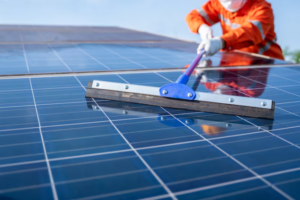
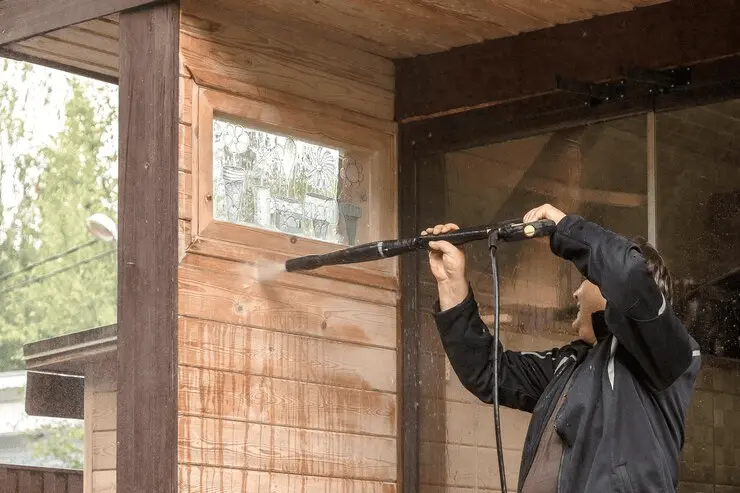
Soft washing vs pressure washing is the difference between gentle treatment and stronger water force. Soft washing uses low pressure and a cleaning solution for delicate areas, while pressure washing uses controlled force for hard surfaces such as concrete, brick, stone, pavers, paths, and driveways.
For Northern Beaches homes, the better method depends on surface type, stain, age, drainage, shade, salt air, mould, moss, algae, and leaf marks. Regular house washing services help protect finishes, improve kerb appeal, and reduce slippery buildup.
Key Takeaways
- Soft washing suits painted walls, render, roofs, cladding, eaves, and mould-affected areas.
- Pressure washing suits concrete, brick, stone, pavers, paths, and driveways.
- High pressure can damage paint, mortar, sealants, timber, and soft stone.
- The safest method depends on material, stain type, age, runoff, and nearby finishes.
- A surface check should happen before any cleaning pressure is chosen.
What Does Soft Washing vs Pressure Washing Mean?
What is soft washing vs pressure washing in simple terms? Soft washing cleans with low-pressure water and a suitable cleaning solution, while pressure washing cleans with stronger water pressure. The right option depends on whether the surface needs treatment, force, or both.
What Soft Washing Does Best
Soft washing suits painted walls, render, roof tiles, weatherboards, cladding, eaves, timber details, and areas near windows or fittings. It is useful for mould and algae because it treats organic growth rather than only moving visible dirt. Safe mould removal from exterior painted walls depends on using a gentle method that protects the painted finish.
What Pressure Washing Does Best
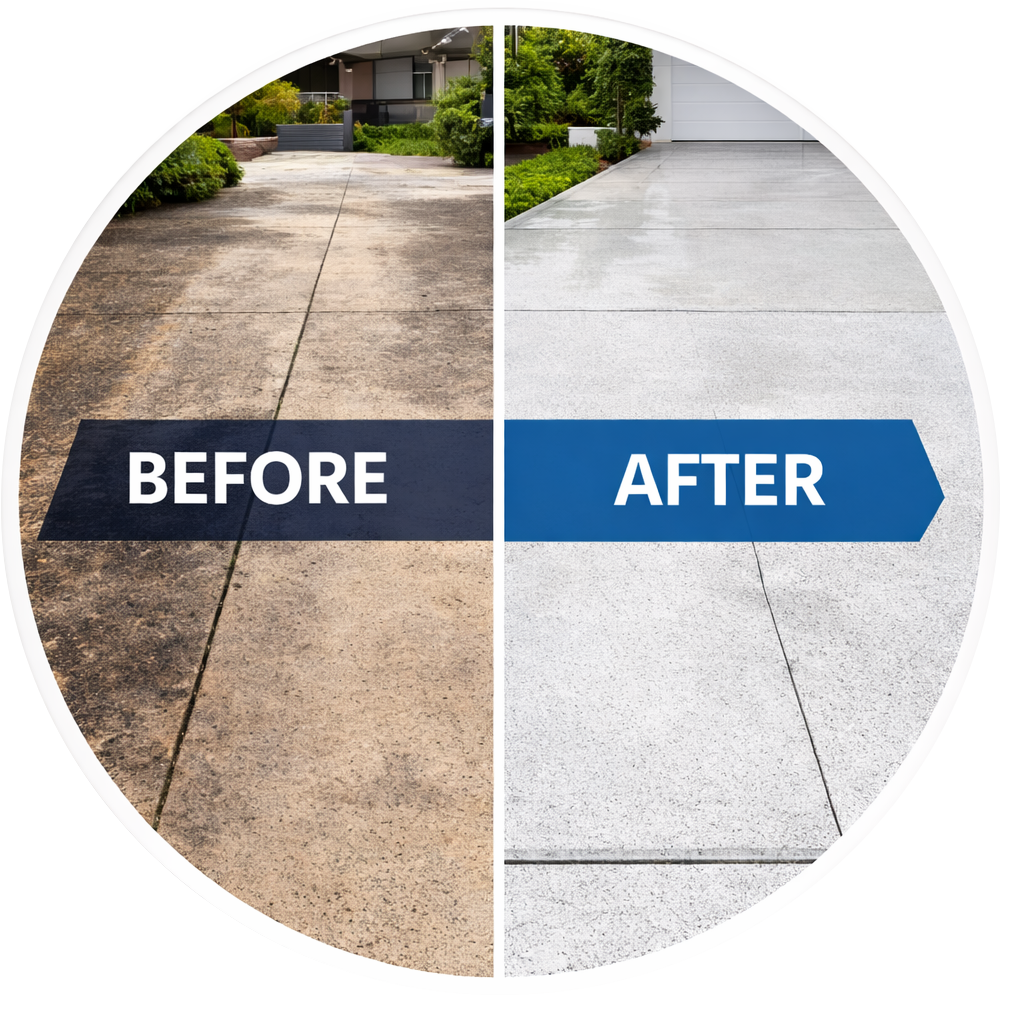
Pressure washing works on durable outdoor surfaces that can handle force, including concrete driveways, brick paths, stone steps, paved areas, garage floors, pool surrounds, and retaining walls. For hard surfaces, concrete pressure cleaning can restore a cleaner finish when the right pressure and technique are used.
Quick Comparison Table for Both Cleaning Methods
Pressure washing vs soft washing differs in cleaning action, stain removal, and surface risk. Soft washing relies on treatment and dwell time. Pressure washing relies on a controlled water force.
| Factor | Soft Washing | Pressure Washing |
| Cleaning action | Low pressure plus treatment | Controlled water force |
| Best for | Paint, render, roofs, cladding | Concrete, brick, stone, pavers |
| Common stains | Mould, algae, mildew, salt residue | Mud, grime, tyre marks, loose moss |
| Main risk | Poor product control near plants | Etching, stripping, or cleaning lines |
| Best result | Organic growth treated gently | Hard surfaces cleaned more deeply |
Which Method Is Better for Each Surface?
Soft washing vs. pressure washing should start with the material, not the stain alone. Delicate, painted, sealed, porous, or ageing surfaces usually need softer treatment. Dense hard surfaces often respond better when dirt sits in the texture or paving joints.
Choose Soft Washing for Delicate Areas
Choose soft washing for painted walls, render, cladding, roof tiles, weatherboards, eaves, timber features, delicate stone, and areas near windows, seals, lights, or vents. A shaded wall may look dirty, but the real issue may be mould and moisture. Strong pressure can scar paint, while soft washing treats growth gently.
Soft washing is usually better for:
- House exteriors with painted or coated finishes
- Rendered walls with stains or organic growth
- Roof edges, eaves, soffits, and fascia boards
- Areas near garden beds, windows, vents, and seals
Choose Pressure Washing for Hard Outdoor Areas
Choose pressure washing for concrete driveways, brick paths, stone steps, paved patios, garage floors, pool surrounds, retaining walls, and commercial walkways. If pavers have oil, tannin, leaf stains, or black spotting, the right pre-treatment can improve the result without relying on extra force. Proper stained paver cleaning depends on identifying the stain type before choosing the cleaning method.
Pressure washing is usually better for:
- Driveways with tyre marks or surface grime
- Paths and patios with dirt, moss, or leaf stains
- Concrete, brick, and stone areas in good condition
- Outdoor surfaces that become slippery after rain
How to Choose Between Softwashing vs Pressure Washing
This decision should be made after checking the surface, not by using the strongest setting. A clear process helps prevent streaks, lifted paint, damaged seals, and poor stain removal.
- Check for cracks, loose paint, weak mortar, worn sealant, and previous damage.
- Identify the stain, such as mould, algae, moss, oil, rust, tannin, tyre marks, salt haze, or dust.
- Check nearby plants, windows, vents, drains, power points, furniture, and garden edges.
- Apply the right pre-treatment and allow enough dwell time for stubborn stains.
- Clean with soft washing, pressure washing, or both, based on surface strength.
- Rinse carefully and check for streaks, pooling water, residue, or remaining marks.
Best practice: start with the gentlest effective method, then increase strength only when the surface can safely handle it. The cost to pressure wash a house depends on surface type, access, staining, property size, and whether soft washing or pre-treatment is also needed.
Common Mistakes Homeowners Make
The most common mistake is thinking more pressure means a better clean. Too much pressure can damage surfaces while leaving mould, algae, or lichen untreated. The better question is whether the method suits the material and stain.
Avoid these mistakes:
- Using high pressure on painted walls, render, timber, or old mortar
- Holding the nozzle too close to the surface
- Skipping pre-treatment on mould, algae, oil, or tannin stains
- Cleaning over cracked surfaces without checking condition
- Ignoring runoff near gardens, drains, windows, and doors
Expert insight: test a small area before cleaning older, painted, sealed, porous, or damaged surfaces. A test can show whether the surface may streak, lift, absorb unevenly, or need a gentler method.
When Your Property Needs Both Methods
Soft wash vs pressure washing is not always an either or choice. Many homes need soft washing on the building exterior and pressure washing on the driveway, paths, patio, and pool surrounds. This avoids overusing force.
A combined clean can include:
- Soft washing for walls, render, eaves, cladding, fascia boards, and delicate surfaces
- Pressure washing for concrete, brick, stone, paths, patios, driveways, and paved areas
- Pre-treatment for mould, moss, algae, oil, tannin, salt residue, and weather marks
- Controlled rinsing around plants, glass, doors, vents, drains, and outdoor fixtures
For example, one home may have mould on shaded walls, salt residue outside, leaf stains on pavers, and tyre marks on the driveway. One method will not suit every area.
Choose the Right Clean for Your Home’s Surfaces
Soft washing vs pressure washing is not about choosing the strongest method. It is about matching the cleaning action to the surface, stain, and condition of your home. The right choice can improve appearance, reduce slippery buildup, and protect paint, render, pavers, concrete, and stone.
Elite Property Northern Beaches provides exterior cleaning, pressure washing, soft washing, house washing, concrete cleaning, driveway cleaning, surface cleaning, and mould and moss removal for residential, strata, and commercial properties. Call 0416 007 745 or email admin@elitepropertynorthernbeaches.com.au to request a quote and choose the safest cleaning method for your property.