
To learn how to get rid of musty smell in the house, start by identifying and fixing the source of excess moisture. Once the cause has been addressed, dry the affected area thoroughly, clean suitable surfaces safely and improve ventilation to reduce the chance of the odour returning. Air fresheners may temporarily mask the smell, but they will not solve the underlying problem if damp materials, mould, leaks or condensation are still present.
Understanding where the smell is coming from makes it easier to choose the right solution and prevent it from returning. If the problem is linked to exterior mould, algae or surface grime, house washing in the Northern Beaches may help restore affected outdoor areas. Persistent indoor dampness, leaks or concealed mould may require assessment by a plumber, builder, HVAC technician or qualified mould remediation specialist.
Key Takeaways
- Find and repair the moisture source before treating the smell.
- Dry damp materials and improve airflow through affected rooms.
- Clean accessible areas with surface-appropriate products.
- Replace porous materials that cannot be dried or cleaned fully.
- Seek professional help for widespread, recurring or hidden dampness.
Why Does My House Smell Musty?
A musty smell usually comes from moisture trapped in building materials, furnishings or enclosed spaces. Common causes include leaks, condensation, poor ventilation, damp carpet, blocked gutters and mould growth. The odour may strengthen after rain, in humid weather or when a room stays closed.
Common Sources of a Musty Smell in a House
- Wet rooms: Steam, wet towels and weak exhaust ventilation.
- Bedrooms and wardrobes: Condensation behind furniture or in closed cupboards.
- Roof areas: Roofing defects, plumbing leaks or overflowing gutters.
- Soft materials: Spills, flooding, damp underlay or stored fabrics.
- Air-conditioning: Dirty filters, blocked drains or internal moisture.
- External walls: Failed seals, surface growth or rainwater entry.
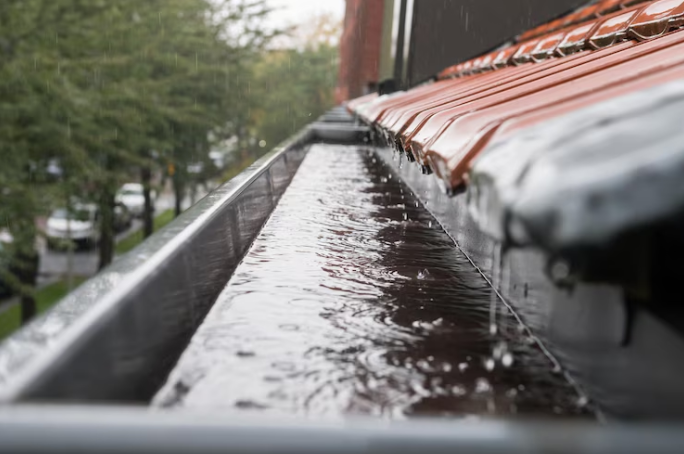
Gutter cleaning may be relevant when debris directs water towards eaves or wall cavities.
How Can You Find the Source of the Smell?
Find the source by following the odour, checking for moisture and noting when the smell becomes stronger. Inspect after rain, in humid weather and while air-conditioning runs. Look beyond visible mould because damp insulation, flooring, wall cavities and stored items may smell before staining appears.
- Isolate the area. Check each room, cupboard and storage space separately.
- Look for clues. Find stains, peeling paint, swollen skirting, damp carpet or condensation.
- Check hidden edges. Inspect under sinks, behind furniture, around windows and near floor edges.
- Note the trigger. Record whether rain, showers, laundry use or air-conditioning makes it worse.
- Inspect outside. Check gutters, downpipes, cladding, seals and ground levels.
How to Get Rid of Musty Smell in the House: Step by Step
Getting rid of musty smell in a house requires source control, drying and suitable cleaning rather than fragrance alone. The method depends on whether the material is washable, porous or damaged. Work from the source outward, and stop if the area is extensive, hidden or unsafe.
- Stop the water source. Repair leaks, failed seals, drainage faults or overflowing gutters.
- Increase ventilation. Open windows when suitable, run exhaust fans and move furniture from damp walls.
- Dry the area. Use fans or a dehumidifier where appropriate, and remove wet contents.
- Clean accessible surfaces. Follow labels and surface instructions. NSW Health advises mild detergent or correctly diluted vinegar for routine mould clean-up. Never mix bleach with ammonia, vinegar or other acids because dangerous fumes can form.
- Treat affected contents. Wash fabrics and replace underlay, plasterboard or insulation that remains damaged or contaminated.
- Recheck after drying. If the smell returns, moisture probably remains.
Most people get this wrong by cleaning the visible patch without correcting the leak, condensation or ventilation problem.
Which Quick Fixes Help, and Which Only Mask the Odour?
Ventilation, drying and removing contaminated items can support a lasting solution, while sprays and fragrances mainly cover the smell. Baking soda or activated charcoal may absorb a light residual odour in a dry cupboard, but neither can repair leaks, dry wall cavities or remove mould inside porous materials.
| Method | Useful for | Limitation |
| Windows and fans | Airflow and drying | Less effective in humid weather |
| Dehumidifier | Reducing room humidity | Does not repair leaks |
| Washing fabrics | Removing trapped residue | Items must dry fully |
| Baking soda or charcoal | Light residual odours | Does not remove hidden mould |
| Air freshener | Temporary masking | May delay investigation |
Who Should You Call for a Musty Smell in House?
Who to call for a musty smell in the house depends on where the moisture begins. A plumber handles pipe leaks, a roofer or builder investigates roof and wall entry, an HVAC technician checks air-conditioning, and a mould professional assesses widespread indoor contamination. Exterior cleaners address suitable outside surfaces, not hidden structural defects.
- Plumber: Wet cabinetry, active pipe leaks or overflowing fixtures.
- Roofer or builder: Ceiling stains, storm leaks or wall-cavity water entry.
- HVAC technician: Odour from vents or blocked condensate drainage.
- Mould specialist: Widespread, recurring or concealed indoor mould.
- Exterior cleaner: Mould and algae on cladding, eaves or exterior walls.
- Health professional: Persistent symptoms, especially for vulnerable occupants.
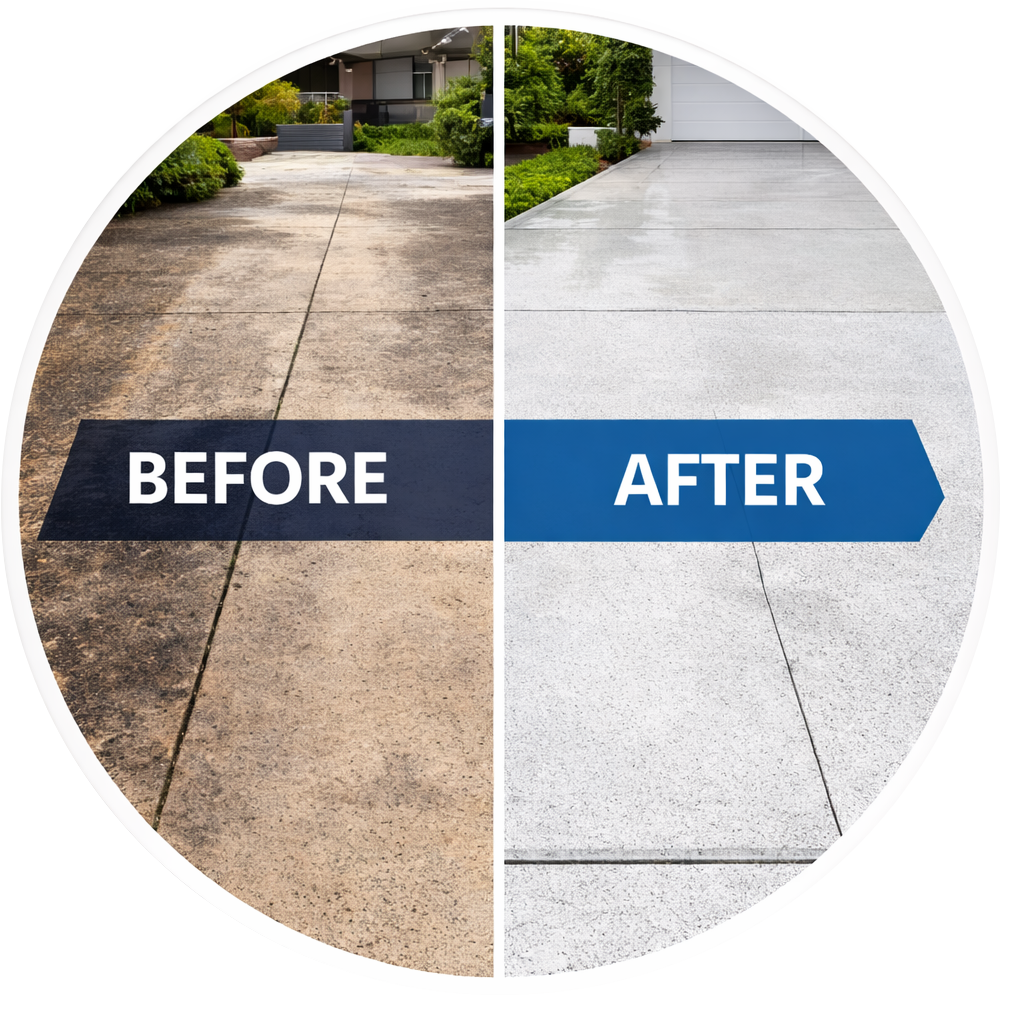
An exterior assessment considers the surface, access, drainage, coating and suitable pressure level. Exterior cladding cleaning may help with appropriate outside growth, while the guide to soft washing versus pressure washing explains why the method must match the material.
For suitable exterior cleaning, request a free quote or call 0416 007 745. Direct indoor leaks, structural dampness and extensive mould to the relevant specialist first.
How to Get Rid of Old Musty Smell in House and Keep It Away
An old musty smell may remain after a leak is repaired because odour has penetrated carpet, underlay, plasterboard, insulation, timber or stored fabrics. Remove damaged porous materials, clean salvageable contents and keep the space dry. Long-term prevention depends on ventilation, drainage maintenance and checks after wet weather.
- Vent bathrooms, kitchens and laundries to the outside.
- Keep furniture clear of cold external walls.
- Clear gutters and direct downpipes away from the building.
- Repair seals and roof defects promptly.
- Dry wet carpet and building materials quickly.
- Check shaded exterior walls for recurring growth.
A bedroom that smells musty after rain warrants checks of the external wall, seals, gutter, carpet edge and airflow behind furniture. Guidance on removing mould from exterior painted walls explains why excessive pressure can damage coatings.
Removing a Musty Smell Starts With Moisture Control
The reliable answer to how to get rid of musty smell in the house is to identify the moisture source, fix it, dry the area and clean or replace affected materials. Improve ventilation and monitor the space after rain or humid weather so a returning odour is investigated early.
Where exterior mould, dirty cladding or blocked gutters are involved, Elite Property Northern Beaches can assess suitable outdoor cleaning. Request a free quote by calling 0416 007 745, emailing admin@elitepropertynorthernbeaches.com.au or using the contact page.